

🌸 The Science Behind Scent & Why Spring Feels So Good. 🌸
Hello!
Lilacs and lavender in bloom. Freshly ground coffee beans. Warm cinnamon buns just out of the oven. The earthy scent of cedar, spruce, and pine. The bright aroma of lemon. The clean, fresh smell of the air after rainfall.
We all know these aromas and are familiar with how quickly they can soften us, lift us, comfort us and carry us back to another time and place.
Scent is powerful, and unlike our other senses, smell has a direct pathway to parts of the brain linked with emotion and memory, including the amygdala and hippocampus. That’s why a scent can transport you back to childhood, a person, or a moment in seconds. (1)
Research suggests some essential oils and aromas help reduce anxiety, improve mood, and promote relaxation. Lavender is one of the most studied. Citrus scents have also been linked with improved mood and alertness. (2)
There is something about this time of year that awakens the senses, and one of the main reasons I look forward to spring, and the beautiful fragrances it offers. I find myself slowing down to notice them, breathe them in, and simply be present. Somehow, these scents seem to awaken something in me. I feel lighter, more energized, more alive, and happier.
🌿 Aromatherapy
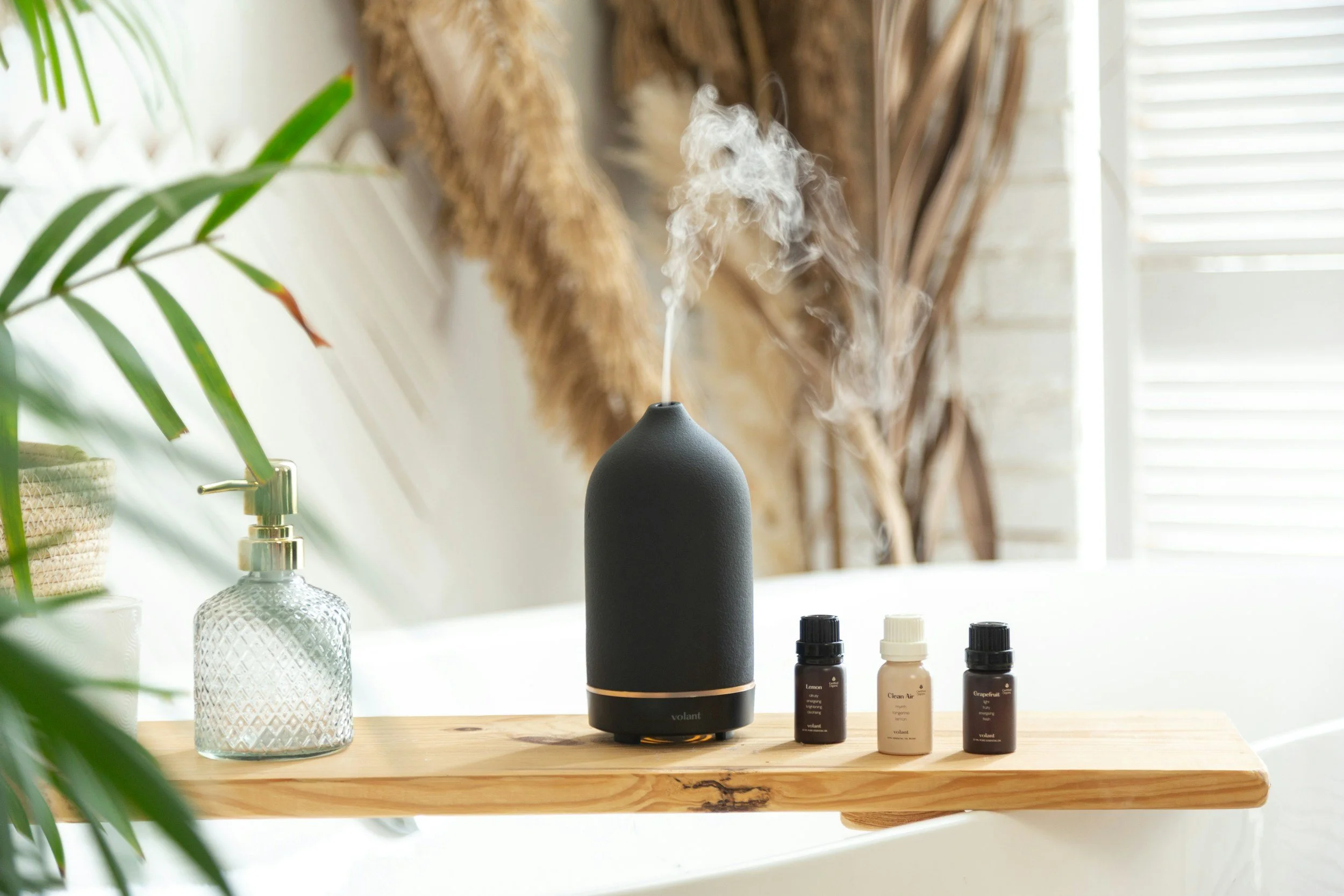
Aromatherapy taps into this same idea, using plant-based essential oils to harness the power of scent and create moments of calm, energy, comfort, and renewal.
Many of the beautiful scents of spring are unfortunately short-lived, but essential oils allow us to enjoy these aromas year-round.
While aromatherapy may seem modern and trendy, its roots go back thousands of years to ancient Egypt, China, India, and Greece. Essential oils and aromatic plants were used in religious ceremonies, healing practices, and bathing rituals. (3)
The term aromatherapy itself was not coined until the 1930s by French chemist René-Maurice Gattefossé, who became interested in the healing properties of essential oils. (4)
Today, many people use aromatherapy as a simple way to support relaxation, improve mood, reduce stress, create a ritual, and bring a little more calm and comfort into everyday life.
Essential oils can also provide physical benefits, such as easing congestion, soothing sore muscles, supporting sleep, or addressing minor skin concerns.
🌿 Essential Oils for Everyday Life
Congested? Try eucalyptus.
Feeling stressed? Lavender.
Headache? Peppermint.
Upset stomach? Ginger.
Need focus? Rosemary.
Foot fungus? Tea tree.
Years ago, I had a stubborn toenail fungus that did not respond to prescription treatments. I dabbed tea tree oil directly onto the affected area and, within a few months, it cleared up completely. I also use tea tree oil on cold sores and acne. Whenever I’m congested, I use eucalyptus oil by adding a few drops to a bowl of hot water, covering my head with a towel, and breathing in the steam.
Lavender is my favourite scent, and I use it every day in my diffuser and roll on bottle. I also often spray it on my pillow at night because I find it helps create a calming bedtime ritual and a more restful sleep.
🌱 Simple Ways to Use Aromatherapy
Not all aromatherapy comes from a bottle, so step outside and enjoy the spring fragrances while they last.
Add a few drops to a diffuser
Place a drop on wrists or a tissue
Add to a bath
Purchase or make your own essential oil spray or roll on bottle.
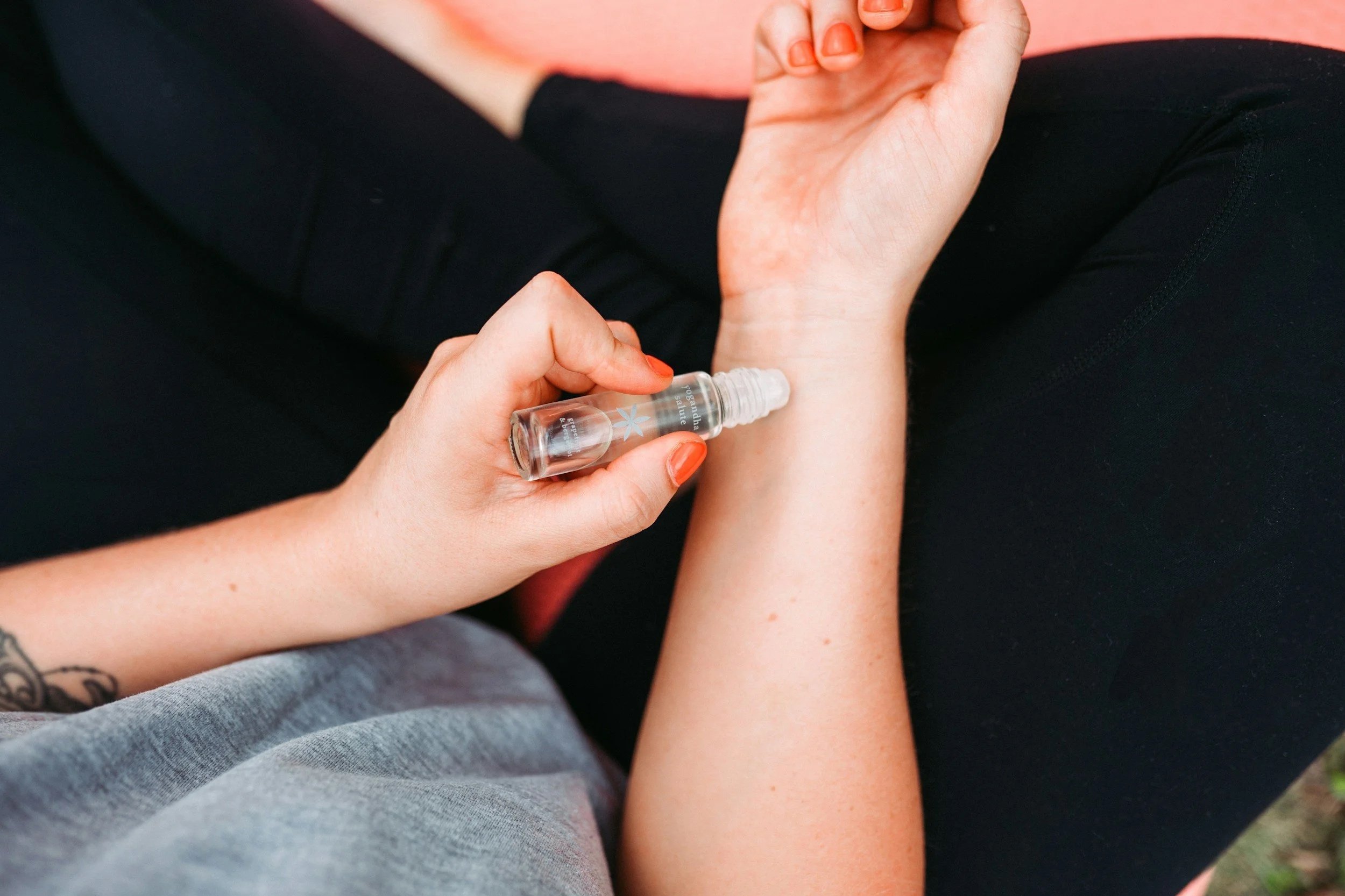
Roll on bottle. I make my own aromatherapy roll on bottle with a few drops of lavender essential oil mixed with almond oil. I carry it with me everywhere and use it every day. A quick swipe on my wrists, temples, or under my nose, feels like a tiny moment of calm in the middle of a busy day.
🌱 How to Use Essential Oils Safely
Essential oils may be natural, but “natural” does not always mean harmless. These oils are highly concentrated plant extracts, so a little truly goes a long way.
A gentle reminder that scent is deeply personal. While some people love essential oils and fragrances, others may have sensitivities or health conditions that make strong scents difficult to tolerate. Listen to your body, start slowly, and remember that what feels calming to one person may not feel the same for someone else.
🌱 A Few Guidelines:
• Take extra care around children and pets. Certain essential oils are not recommended for infants, young children, pregnant individuals, or animals.
• Start small. Begin with one or two drops, especially if you are new to essential oils. More is not always better.
• Dilute before applying to skin. Essential oils should generally be mixed with a carrier oil such as coconut, jojoba, almond, or olive oil before applying to the skin. Some oils can cause irritation or sensitivity.
• Do a not ingest.
• Use a diffuser mindfully. If using a diffuser, begin with short periods and ensure the room is well ventilated. Strong scents can become overwhelming.
• Be mindful of sensitivities. Some people are sensitive to fragrances and may experience headaches, migraines, asthma symptoms, or allergic reactions.
• Avoid eyes and sensitive areas. Essential oils should never be put directly into the eyes, ears, or other sensitive areas.
• Listen to your body. If a scent makes you feel unwell, dizzy, or uncomfortable, trust that response and stop using it.
🌱 How to Choose Essential Oils?
You can purchase essential oils from your local health food store, drug store, or directly from the companies.
Only purchase high quality and look for:
100% pure (no fillers or synthetic fragrance)
Third-party testing (GC/MS reports)
Country of origin + sourcing transparency
These brands are consistently cited for quality, testing, and ethical sourcing:
Thursday Plantation.
NOW.
Plant Therapy
doTERRA
Rocky Mountain Oils
Edens Garden
Pranarōm
The high-quality brands are more expensive, but essential oils go a long way, and a small bottle lasts.
There is an abundance of lilac bushes where I live, and they are just about to burst into full bloom. I can hardly wait. Their fragrance feels like one of spring’s greatest gifts.
Aromatherapy is another simple tool you can add to your self care toolbox. You do not need anything complicated. Just a moment to pause, breathe, and notice. Sometimes the smallest sensory experiences can shift your mood and bring you back to the present moment.
Stay well.
Anita 🌸🙏🌺🌻
Resources:
2. National Library of Medicine
3. Asian Pacific Journal of Tropical Biomedicine
DISCLAIMER: County Yoga Loft’s website blog information is for general healthcare information only. All information on the site is provided in good faith. However, it should not replace consultation or advice from a physician or other healthcare practitioners. The use or reliance of any information on this site is solely at your own risk.