
Hello!
Our language is full of walking expressions, some inspiring, others worthy of a serious eye roll-“Walk the talk,” “Take a hike.” Please tell me no one uses these anymore.
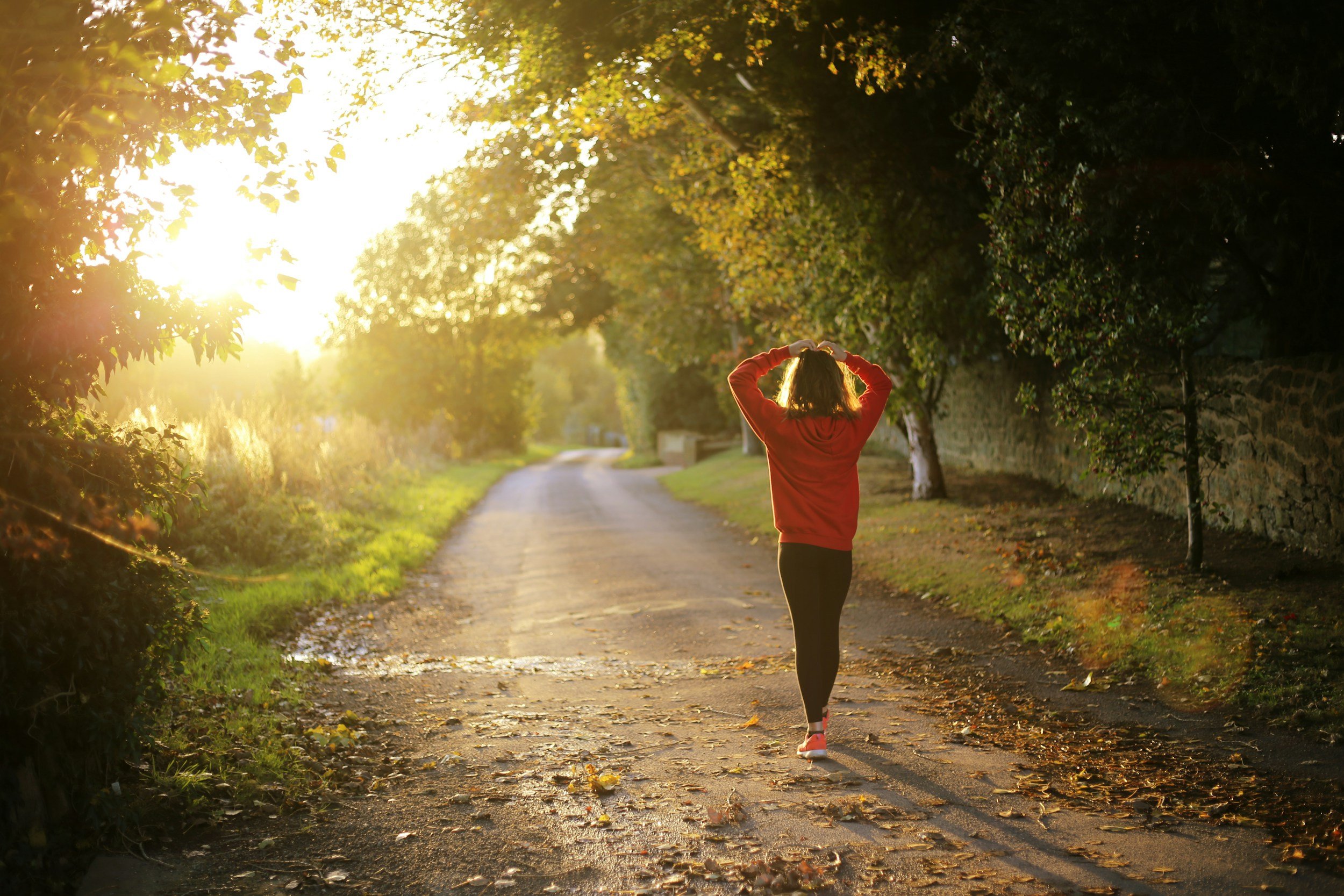
" Walk it Off," however, is a phrase that has always resonated with me and has become a bit of a personal mantra, especially when I'm feeling stressed or overwhelmed, or when I notice my mood beginning to slip.
There is more wisdom in those three simple words than we might think. Given the many health benefits of walking, "Walk it Off" may be some of the best wellness advice we can give ourselves.
Walking is one of the most underrated health tools we have. It is simple, free, accessible, and surprisingly powerful. Regular walks support physical and digestive health, as well as mental well-being, in more ways than many of us give them credit for. There is also plenty of science to back this up.
🌿 How Much Walking Is Enough?
Most health organizations recommend 150 minutes of moderate-intensity activity per week, which works out to about 30 minutes of brisk walking five days a week. The good news is that you can break this into shorter sessions, such as three 10-minute walks, and still enjoy many of the benefits.
If 150 minutes sounds daunting, there is encouraging news. A large meta-analysis from the University of Cambridge found that just 75 minutes of moderate physical activity per week (about 11 minutes a day) was associated with a significantly lower risk of cardiovascular disease, cancer, and premature death. (1)
For the greatest health benefits, aim for a brisk pace. Rather than focusing solely on heart rate, many fitness experts recommend using the "talk test." During moderate-intensity exercise, you can comfortably hold a conversation but not sing. During vigorous activity, you can say only a few words before needing to take a breath.
🌿 How to Find the Time
· Get up earlier and make a morning walk a part of your daily routine.
· Adopt a dog or offer to walk a friend’s or neighbour’s dog.
· Walk on your lunch hour.
· Walk after dinner, this will help you digest your meal, and you will sleep better.
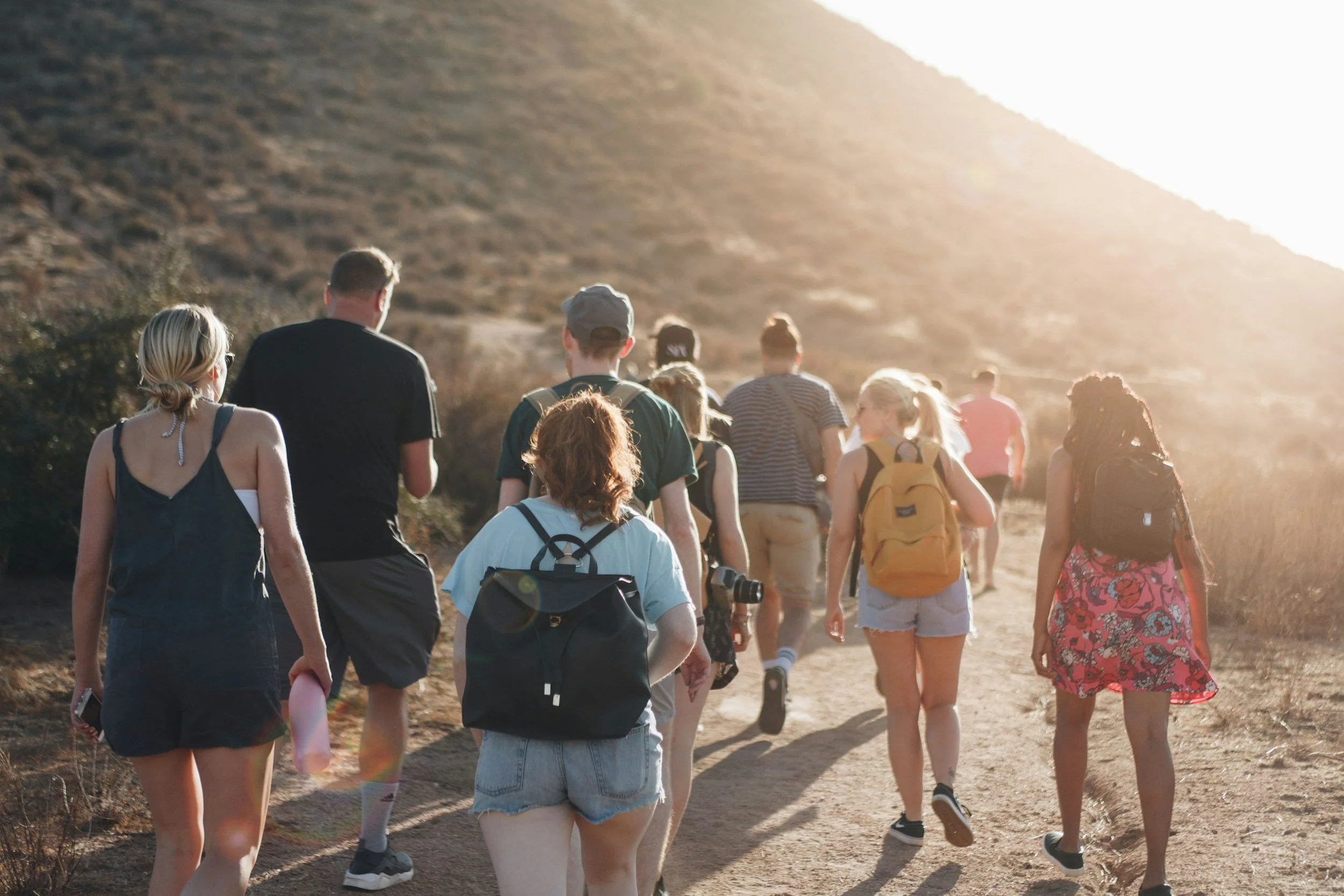
· Find a walking buddy or join a walking group or hiking club.
· Get a Fitbit to track your steps. This can motivate you to get in your 10,000 steps per day.
· Follow a walking video, walk on the spot, or use a walking pad while watching TV, especially if an outdoor walk is not possible.
🌿 Walking Tips for Every Season

One of the great things about walking is that it can be enjoyed in every season with a little preparation.
The right gear helps remove barriers and makes walking more enjoyable year-round.
In spring, rubber boots can make muddy trails much more enjoyable.
In summer, aim for morning or evening walks when temperatures are cooler, and use insect repellent if you are heading into wooded areas.
In autumn, conditions are perfect, with cooler temperatures, beautiful colours, and fewer bugs.
In winter, ice cleats or snowshoes can help keep you safe on slippery or snowy terrain.
I highly recommend using walking poles. I carry one on most of my walks, and it has prevented more than a few wipeouts on uneven or slippery ground.
Ticks are on the rise, and so is Lyme disease, so it is wise to take precautions, especially in wooded areas or tall grass. Wear protective clothing, use repellent, check your body when you return home, and place your clothes in the dryer on high heat for 20 minutes. If you are bitten by a tick or develop symptoms, seek medical advice right away.
🌿 Physical & Mental Health Benefits
🌱 Physical Health
Supports heart health.
Maintains mobility and balance.
Strengthens bones and muscles.
Reduces the risk of many chronic diseases.
🌱 Mental Health
Lowers stress hormones.
Helps with anxiety and mood.
Eases symptoms of depression.
Improves focus and creativity.
Often helps people process emotions and grief.
🌱 Digestive Health
Improves digestion.
Reduces bloating and gas.
Supports regular bowel movements.
May help prevent acid reflux.
Helps regulate blood sugar. (2)
🌿 Walking and Disease Risk
I've known for years that walking is good for us, but I was genuinely surprised by some of the statistics I uncovered while researching for this blog. Research suggests that even a modest daily walking habit can make a meaningful difference to long-term health. The benefits increase as our daily steps go up:
🌱 Alzheimer’s Disease
Baseline Walking 3,800 to 7,000 steps per day - 25% to 38% lower risk
Optimal Walking 9,800 to 10,000 steps per day - 50% lower risk
🌱 Cancer
Baseline Walking 3,800 to 7,000 steps per day - 11% lower risk
Optimal Walking 9,800 to 10,000 steps per day - 30 % lower risk
🌱 Heart Disease
Baseline Walking 3,800 to 7,000 steps per day -21% to 25% lower risk
Optimal Walking 9,800 to 10,000 steps per day - 75% lower risk
(3)
I find these statistics incredibly motivating, and I hope they encourage you to lace up your shoes and head out for a walk, even if it is just around the block.

In addition to hitting the gym for weight training and maintaining my yoga practice, I try to squeeze in a walk every day. Some days it is a 10-minute stroll around the block. Other days, it is a more substantial hike through the woods.
There is no doubt that I feel better after a walk, especially after a meal or after sitting for too long. For me, however, the biggest impact has been on my mental health.
In 2014, I was on a medical leave during a serious bout of depression. Short daily walks, which I gradually increased over time, became an important part of my recovery.
When our darling dog Peggy passed away in January, I was overwhelmed by grief. I stopped going to the gym and was unable to keep up with my regular yoga and meditation practices. After a few days of sobbing on the couch, and with Ben’s encouragement, I started taking 5-10-minute walks each day. I felt the benefits almost immediately and was able to increase the amount each day, and eventually returned to my other health routines.
In both cases, walking was not a cure-all, but it became an invaluable tool that helped me move toward healing and recovery.
Walking has also become one of my favourite ways to sort through decisions and spark creativity. There is something about moving my body, being outside, and giving my mind some space that often helps the answers, or at least the next step, become clearer. Scrolling on my phone has never had quite the same effect.
The takeaway? You do not have to do anything extreme. Start where you are. A short daily walk is still worthwhile, and over time, adding more steps will offer even greater protection for your heart, brain, body, and overall well-being.
Be well & get walking!
Anita
🌸🙏🌺🌻
Resources
2. Healthline
DISCLAIMER: County Yoga Loft’s website blog information is for general healthcare information only. All information on the site is provided in good faith. However, it should not replace consultation or advice from a physician or other healthcare practitioners. The use or reliance of any information on this site is solely at your own risk.