
Confronting Isolation This Mental Health Week: Why Connection Matters. ❤️🩹

Hello!
While Canada marks Mental Health Week in May, it is part of a wider global movement recognizing the importance of mental well-being. Mental Health Week 2026 runs from May 4 to 10, with a focus on social connection to improve well-being. Organized by the Canadian Mental Health Association, the theme is Come Together, encouraging people to take small daily actions to combat loneliness and build community, with toolkits available for workplaces and schools. (1)
Mental health is just as important as physical health, and it is something we should pay attention to in ourselves and others. Having a designated week is a helpful reminder for all of us.
For this blog, I wanted to focus on the impact that loneliness and isolation can have on both our mental and physical health. I was struck and felt really encouraged to see that this has been chosen as the theme this year.
Before exploring isolation and loneliness more deeply, it is worth taking a moment to reflect on mental health in general. It is not always visible, yet it shapes how we feel, how we cope, how we move through our days, and how we connect with others. Just like physical health, it needs care, attention, and compassion.
🌿 Mental Health Is Health
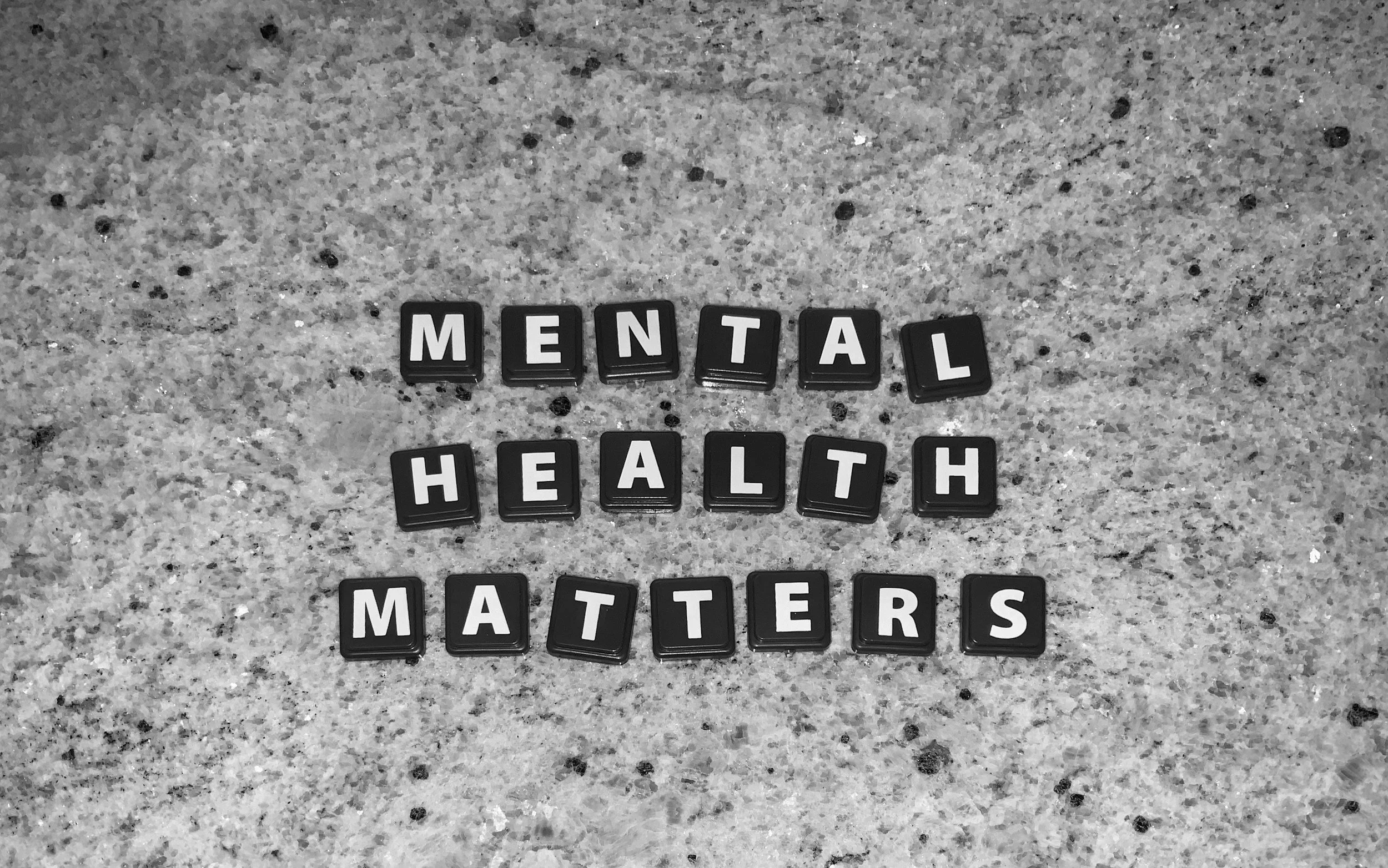
Mental health does not just refer to diagnosis and illness. It is a fundamental part of overall health and well-being. It includes our emotional, psychological, and social well-being, influencing how we think, feel, and act.
Like physical health, mental health exists on a continuum and can shift over time depending on many factors. At times, you may notice symptoms of anxiety or depression that you can work through. Perhaps what you are experiencing is a response to a life event: loss of a loved one, financial challenges, or a stressful time at work. At other times, these symptoms may become more intense and require professional support.
Good physical and mental health are essential for both personal and community well-being. Mental health conditions, including mood, anxiety, psychotic, substance use disorders, and trauma, can have a significant impact on a person’s life if left unaddressed.
🌱 The Silence Stigma Creates
Seeking help is not always easy. Access to care can be limited, and there are often barriers that include long wait times and financial barriers. Stigma also remains a major challenge. Many people still face judgment, discrimination, and social isolation, which can prevent them from reaching out for the support they need.
Despite growing awareness, mental health stigma remains a global issue. The World Health Organization highlights that stigma and discrimination continue to be significant barriers to care worldwide, even as over one billion people are living with mental health conditions. (2)
🌿 The Weight of Loneliness

For many of us, the pandemic brought isolation into sharp focus. We were separated from loved ones, our routines changed overnight, and connection became something we had to work harder for.
While that time has passed, the effects have not completely disappeared. In many ways, it revealed something that was already quietly growing. Disconnection in a world that appears, on the surface, more connected than ever through our devices.
Loneliness is not simply being alone. It is the feeling of being unseen, unheard, or disconnected, even when surrounded by others.
According to the World Health Organization, it matters more than we might think. Research has identified loneliness as a growing global health concern. Studies have shown that chronic isolation can increase the risk of anxiety, depression, heart disease, and even early death. (3)
A recent advisory from the U.S. Surgeon General also highlighted that social isolation significantly increases the risk of both mental and physical health challenges. (4)
There is also growing evidence that prolonged isolation may affect brain health. It has been linked to an increased risk of cognitive decline, including conditions such as dementia and Alzheimer’s disease. (5)
These are powerful reminders that connection is not just something that feels good. It is something we need.
🌱 Why Connection Matters So Deeply
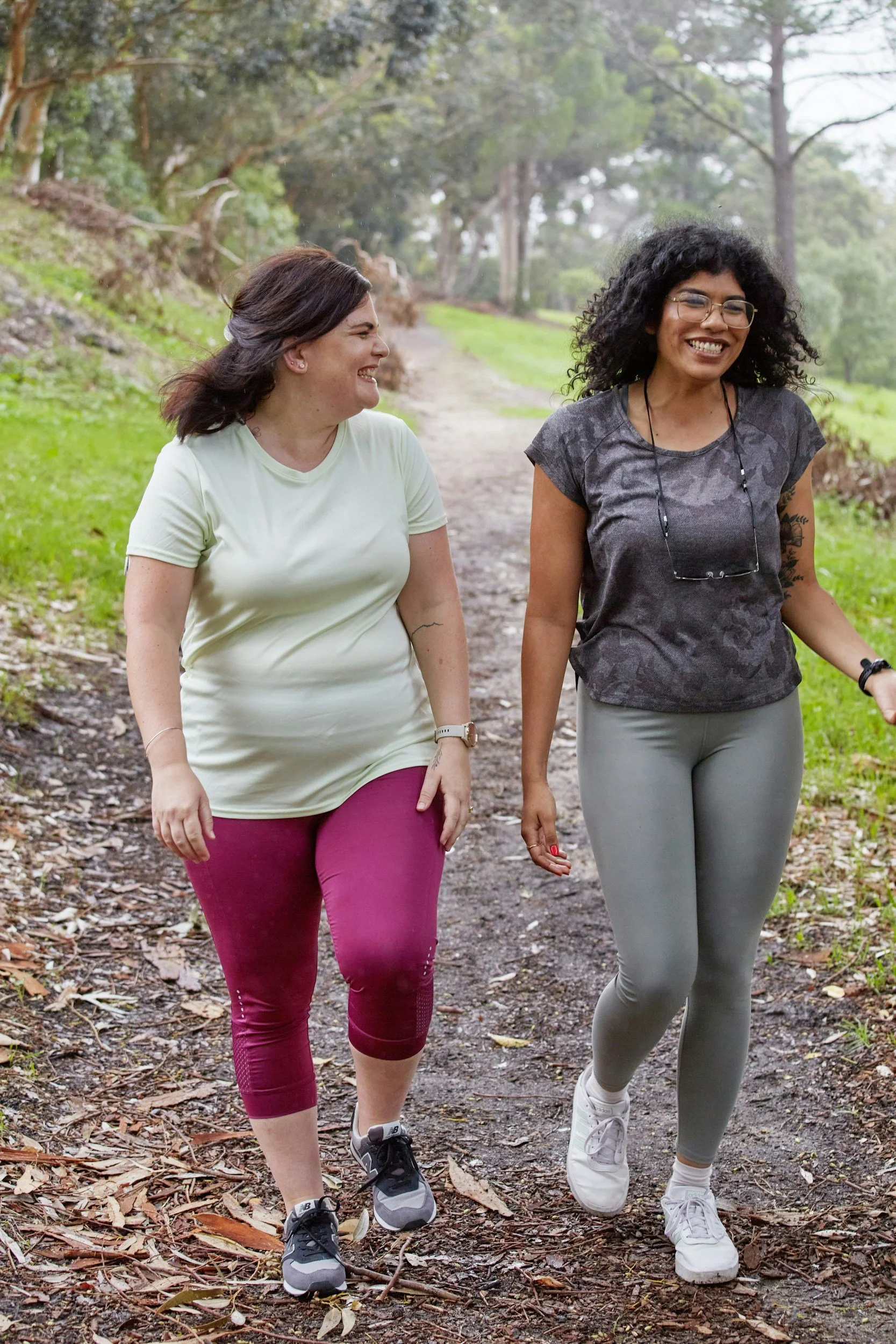
We are wired for connection!
A conversation, a shared laugh, or a simple moment of being seen can help regulate our nervous system and bring a sense of ease to both body and mind. Connection does not need to be big or complicated. It can be as simple as a kind exchange, a walk with a friend, or sitting quietly with someone who understands.
Without it, we can begin to feel untethered. When we feel consistently disconnected, it can lead us into a deeper sense of despair, making it harder to initiate contact.
🌱 A Gentle Check In
At times, loneliness can show up quietly.
You might notice:
• Pulling away from others.
• Low energy or lack of motivation.
• Spending more time scrolling, but feeling less fulfilled.
• A sense of disconnection, even in familiar spaces.
If any of this feels familiar, you are not alone.
🌱 Small Ways to Reconnect
When we are feeling isolated, reaching out can feel like the hardest thing to do. It helps to begin gently and remember that even the smallest steps, like saying hello to someone on the street, can build over time and help us maintain a sense of connection.
A few simple ways to reconnect:
• Send a quick message to someone you trust.
• Step outside for a walk and notice the world around you-movement, even when gentle and brief, can create a shift.
• Attend something regularly, even once a week.
• Choose presence over distraction, and limit the kind of screen time that leaves you feeling empty.
Connection often begins with something very small. The other day, I was in a bit of a funk and just wanted to get home and veg out on the couch. I made an effort to engage the cashier at the grocery store, and our brief chat created a small shift that had a big impact on how I was feeling.
A moment, a small gesture, and a willingness to reach, no matter how small, can be the first step.
It’s important to keep in mind that there is a difference between solitude and isolation. Time alone can be deeply nourishing. It gives us space to rest, reflect, reconnect with ourselves, and tune into how we are feeling. But like most things, it is about balance. Too much time alone can begin to feel heavy, while a life that is constantly full can leave us feeling depleted. We need both quiet moments and meaningful connections.
It can be helpful to pause and notice where we are. Are we avoiding connection, or craving space? Are we filling every moment, or allowing ourselves to be still? Finding a healthy balance is an important part of caring for our mental well-being.
🌱 You Don’t Have to Do It Alone
Sometimes loneliness runs deeper, and that is when support can be especially important. Speaking with a therapist, joining a group, or finding a supportive community can make a meaningful difference.
Because readers of this blog may be located around the world, I will not list specific resources. If you are unsure where to begin, consider speaking with your family doctor. You might also explore online groups, where simply being in a shared space, without needing to say much, can help soften the feeling of isolation.
Many hospitals offer access to short-term support, and most communities have crisis lines available if you need immediate help.
We all need support at times, and allowing ourselves to receive it is a quiet act of self-care.
If you are experiencing severe distress or having thoughts of self-harm, please reach out for immediate support.
In Canada and the United States, call 911
In the United Kingdom, call 999
Across the European Union, call 112
🌱 Closing Thoughts
.
If isolation and loneliness can impact both our physical and mental health, and even increase the risk of conditions like Alzheimer’s, it is clear that connection matters DEEPLY.
If you are feeling disconnected, I gently encourage you to reach out in some small way today. If you are aware of someone who may be struggling, consider reaching out to them. A simple text to say you are thinking of them, a walk, or a coffee can be enough to remind someone they are not alone.
I have struggled with my mental health for most of my adult life. I have not experienced a serious episode since 2014, but I know it is something I need to stay aware of, and I feel fortunate that both my husband and I recognize the signs.
When it comes to finding balance, I tend to lean more toward isolation than connection, so I monitor it closely. Too much socializing can feel exhausting, but when too much time passes without meaningful connection, I can feel myself slipping.
We are not meant to live at either extreme.
Somewhere in the middle is where we tend to feel most steady. A place where solitude restores us, and connection reminds us that we are not alone.
Wishing you a gentle, connected day & good mental health.
Anita 💚❤️🩹
.
Resources:
1. Canadian Mental Health Association
2. WHO-Stigma of Mental Health
3. WHO-Social Isolation & Loneliness Overview
4. U.S. Surgeon General (2023 Advisory)- Our Epidemic of Loneliness and Isolation
5. Hopkins Medicine-Social Isolation Risk Factors for Dementia
DISCLAIMER: County Yoga Loft’s website blog information is for general health care information only. All information on the site is provided in good faith. However, it should not replace consultation or advice from a physician or other healthcare practitioners. The use or reliance of any information on this site is solely at your own risk.