
🌎 Earth Day Reminder: The Hidden Environmental Cost of Your Clothes. 🌎
How To Help Our Planet
.
“We are interconnected with nature and with each other. What we do to the planet and its living creatures, we do to ourselves.”
David Suzuki Foundation
“You cannot get through a single day without having an impact on the world around you. What you do makes a difference, and you must decide what kind of difference you want to make.”
Jane Goodall
Happy Earth Day!
Earth Day takes place on Wednesday, April 22, 2026, and offers a meaningful opportunity to connect with your community and reflect on how your actions can help support a cleaner, healthier planet. This year marks the 56th anniversary of Earth Day, an annual event that now engages millions of people around the world and has grown into Earth Month: 30 days to celebrate the planet and promote environmentally responsible practices.
The official Earth Day 2026 theme is “Our Power, Our Planet,” a reminder that environmental progress does not depend on any one administration or election. It is sustained by the daily actions of communities, educators, workers, and families who care for the places where they live and work. Earth Day
It’s impossible not to see the impact of our actions on the planet. Forest fires and floods are becoming regular occurrences, and unless we begin to turn things around, they will only intensify. According to the United Nations, the number of weather-related disasters has increased fivefold over the past 50 years, a stark reminder of how quickly things are changing. (1)
Globally, the data paints an equally sobering picture. The World Meteorological Organization confirms that the past decade has been the hottest on record, with both 2023 and 2024 setting new global temperature highs. (2)
It’s important to remember that Scientists are clear that these changes are not random. The Intergovernmental Panel on Climate Change has stated that human activity, particularly the burning of fossil fuels, has unequivocally caused global warming. The more greenhouse gases we release, the more heat gets trapped in our atmosphere, intensifying these extreme weather patterns. (3)
The bottom line is: THIS IS ON US.
It’s easy to feel overwhelmed, to slip into apathy or helplessness, and to wonder if our individual actions really make a difference. I strongly believe the answer is a resounding YES. Small, thoughtful steps, taken consistently, can add up to meaningful change. Small individual changes, collectively = big impact.
Today, I’ll share a few simple suggestions, starting with my focus for this Earth Day, the fashion industry’s impact on the planet, something many of us don’t often stop to consider.
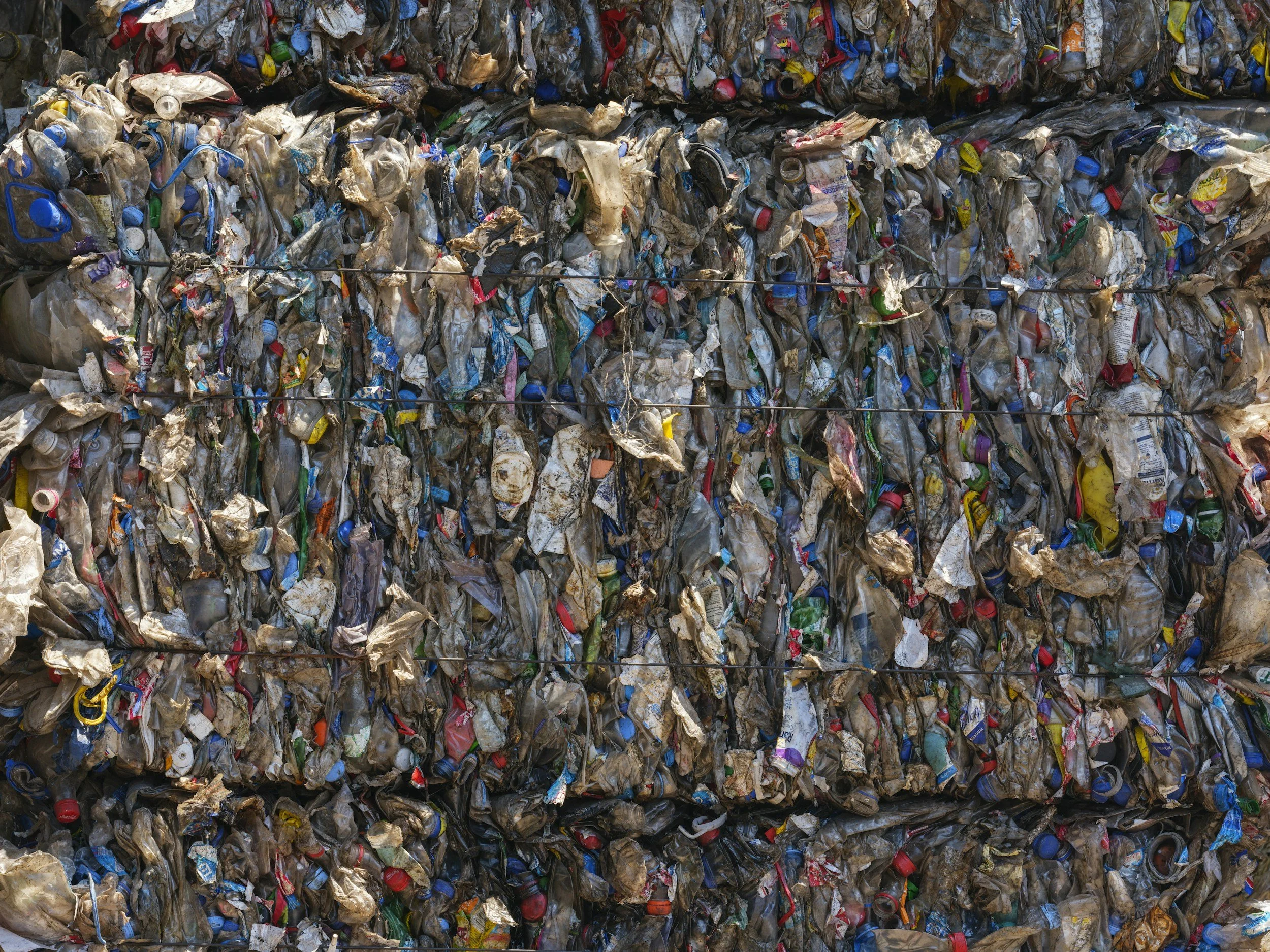
I never gave much thought to the impact the clothing I wear has on the environment until I saw a photo of a landfill site with piles of discarded clothing (similar to the one above). It was shocking and embarrassing to realize that the inexpensive, fast-fashion clothing I was purchasing was contributing to this.
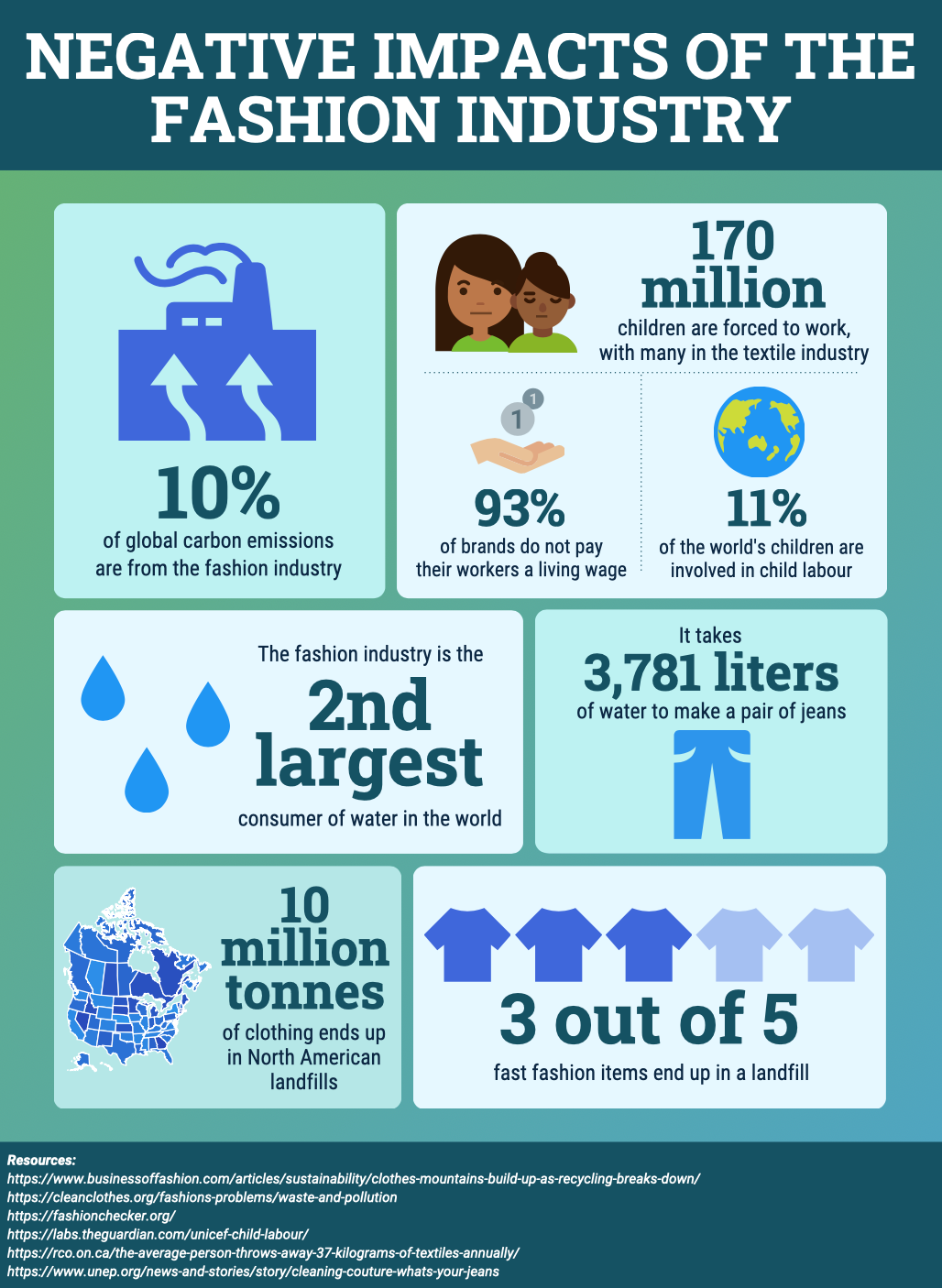
Behind every cheap garment is a costly environmental impact.
.
🌿 The Environmental Impact of the Clothing Industry 🌿 (4)
🌱 Massive Water Use
The fashion industry is one of the largest consumers of water worldwide.
It takes about 2,700 litres of water to make one cotton T-shirt.
Textile dyeing is one of the largest sources of water pollution globally.
🌱 Carbon Emissions
The industry produces more greenhouse gas emissions than many people realize.
Responsible for around 8–10% of global carbon emissions, more than aviation and shipping combined.
Fast fashion encourages constant production and disposal.
🌱 Textile Waste
Clothing is being thrown away at an alarming rate.
The equivalent of a garbage truck of textiles is landfilled or burned every second.
Many garments are worn only a handful of times.
Synthetic fabrics can take hundreds of years to decompose.
🌱 Microplastics & Synthetic Fibres
Most modern clothing contains plastic-based fibres.
Polyester, nylon, and acrylic shed microplastics when washed.
These tiny fibres end up in oceans and even in drinking water.
🌿 What You Can Do (Without Becoming Perfect)
🌱 Buy Less & Choose Quality Over Quantity
Pause before purchasing. Ask:
Do I really need this?
Shift from impulse to intention and purchase high-quality clothing items that will last for years.
🌱 Embrace Second-Hand
Thrift stores, consignment shops, and swaps:
Extend the life of clothing.
Reduce demand for new production.
Often uncover unique pieces.
🌱 Care for What You Own & Repair Instead of Replace
Wash less often.
Use cold water.
Air dry when possible.
Learn basic mending.
Support local repair services.
🌱 Let Go Responsibly
When you’re done with something:
Avoid sending clothing straight to the landfill whenever possible: donate (if wearable), repurpose (rags, etc.), and look for textile recycling programs.
🌿
This is not about throwing out your wardrobe and starting over. It is about becoming more aware of what you truly need and learning about the companies you buy from and their environmental impact.
Every small shift matters.
We have been making a few changes when it comes to clothing. I no longer shop from fast fashion brands and instead choose better quality pieces from more eco-conscious companies, usually when they are on sale. I am no seamstress, but I can manage a bit of basic mending, which helps extend the life of clothes that still have something to give.
I tend to keep my clothing for years, and I’ve stopped ordering clothes online altogether because it’s just too easy to fall into impulse buying. About a year ago, I was aimlessly scrolling when a picture of a cute dress popped up, modelled by a beautiful twenty-something. The dresses were ridiculously cheap, so I ended up buying the same one in three different colours. I’ve never worn any of them because they’re so poorly made and not at all flattering. I imagine they were produced in a sweatshop, and I cringe when I think about the impact on both the exploited workers and the environment.
Ben has a real knack for finding great clothing pieces in second-hand shops, something I am still learning to embrace.
Over time, these small choices begin to shape a more intentional way of living. One that is kinder to the planet and, in many ways, gentler on ourselves as well.
🌿 A Few More Easy Ways to Help the Planet.
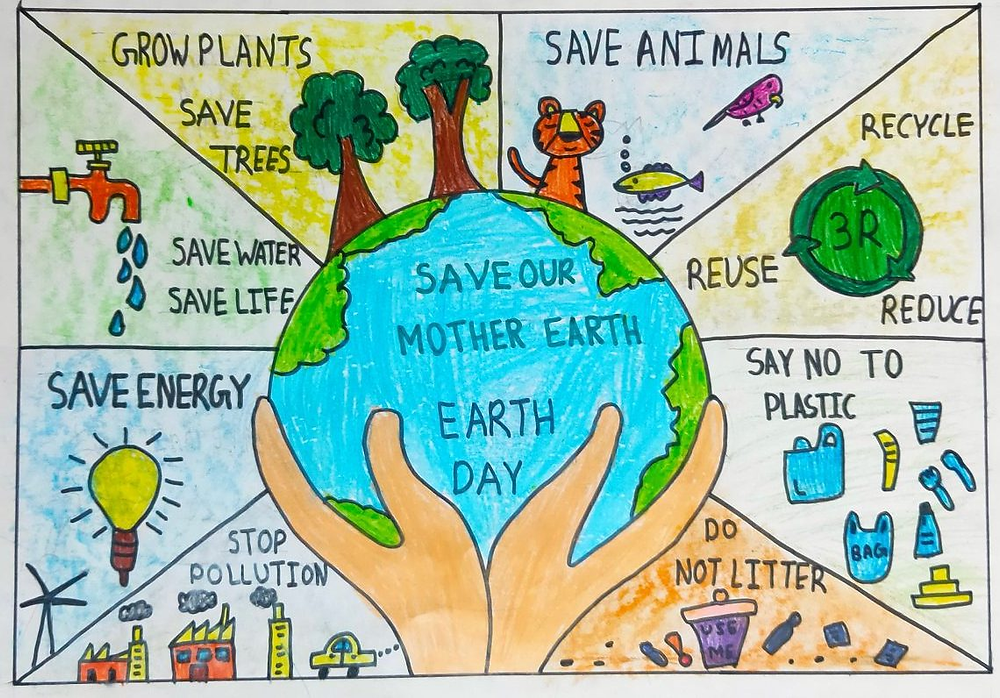
🌎 Drive less whenever possible. Walk, cycle, or use public transportation when you can.
🌎 Reduce single-use plastics. Are you still buying laundry or dish soap in non-recyclable containers? Consider switching to refillable bottles, laundry sheets, or dish soap pods.
🌎 Don’t litter and ensure to take full advantage of your community’s recycling and compost programs.
🌎 If you often grab take-out coffee, bring a reusable cup with you. It’s a small habit that adds up.
🌎 Support local farmers and small businesses. Your choices make a difference in your community.
🌎 Buy organic when you can, and take a moment to check trusted lists that help guide your choices. EWG’s organic food shopping guide.
🌎 Eating more plant-based foods is one of the most effective ways to reduce your environmental impact, since animal agriculture is especially hard on the planet.
🌎 Do a little research before purchasing clothing. Where and how it’s made matters.
🌎 Shop with intention. Pause before impulse buying, especially online.
🌎 Support local and national environmental organizations doing important work.
🌎 Take part in Earth Day events, or even organize a community litter clean-up in your area.
🌎 Finally, own your power as both a consumer and a voter. Choose not to support businesses that are not making an effort to be more environmentally responsible. Use your vote to support leaders who take climate change seriously.
Let’s inspire each other. How will you celebrate Earth Day this year? Share your plans in the comments below.
Stay well and green.
Anita 🌿🌼 🌷 🦋🌎
Resources:
(I am having difficulty with the links to the resources, so I had to remove them. If you Google search the titles, it will bring you to the resource)
The United Nations Climate Action.
The World Meteorological Organization.
IPCC.
Sustainability and Circularity in the Textile Value Chain: A Global Roadmap.
DISCLAIMER; The information provided on County Yoga Loft’s website blog is for general health care informational purposes only. All information on the site is provided in good faith. However, it should not replace consultation or advice from a physician and/or other healthcare practitioners. The use or reliance of any information contained on this site is solely at your own risk.