
Is It Time to Set Some Boundaries With Your Phone?
Hello!
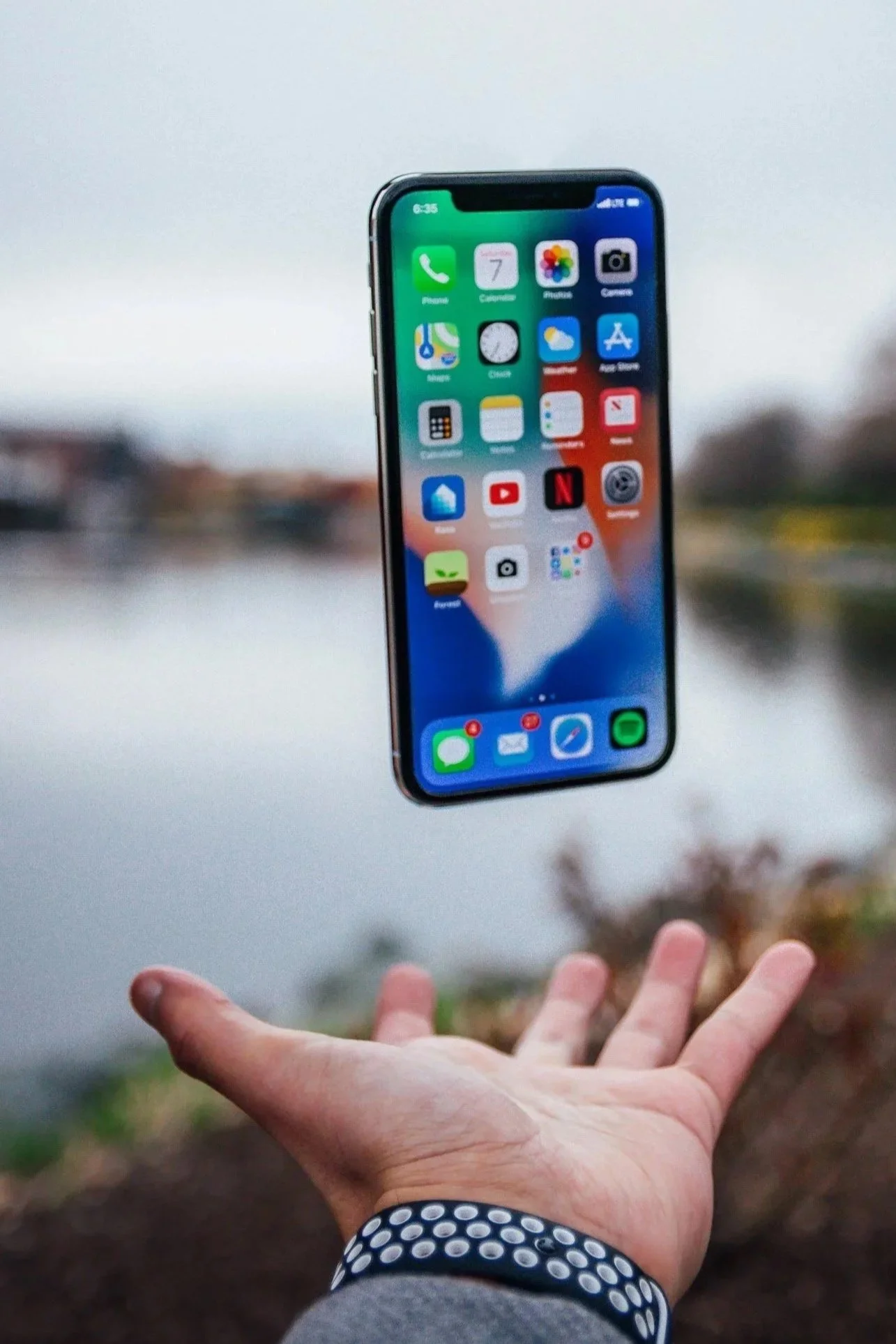
Time spent on our devices, including phones, desktops, laptops, and TVs, is at an all-time high. Smartphones, in particular, have become so ubiquitous that their impact is impossible to ignore. You can see it everywhere: faces glued to screens, and everyone disconnected from what is happening right in front of them.
Of course, there are valid reasons to be on our devices. Many of us need computers for work, and if you run a business that depends on social media, being online is part of the job.
But that is not what I am talking about.
I’m talking about the unnecessary time. The hours that slip by while we scroll without purpose or binge-watch out of habit, simply to escape and numb.
According to data from the Public Health Agency of Canada and Statistics Canada, adults spend roughly 3 ½ hours each day on recreational screen time. This is outside of work or school requirements, and these numbers are largely consistent across much of the world. It refers to leisure screen time such as scrolling social media, streaming shows, or casual browsing. Time that is, for the most part, non-essential. (1)
Many people are at or above that limit, especially post-pandemic, and I know I’ve had my days where I spent an outrageous amount of time on my devices.
That is over 1,200 hours a year. More than 50 full days of our lives are spent in front of a screen recreationally.
Some studies suggest that the average person checks their phone up to 144 times a day.
Let all of this sink in for a moment.
There is no denying that the statistics are shocking and, hopefully, motivating. But you do not really need them to understand how serious this has become.
Just look around:
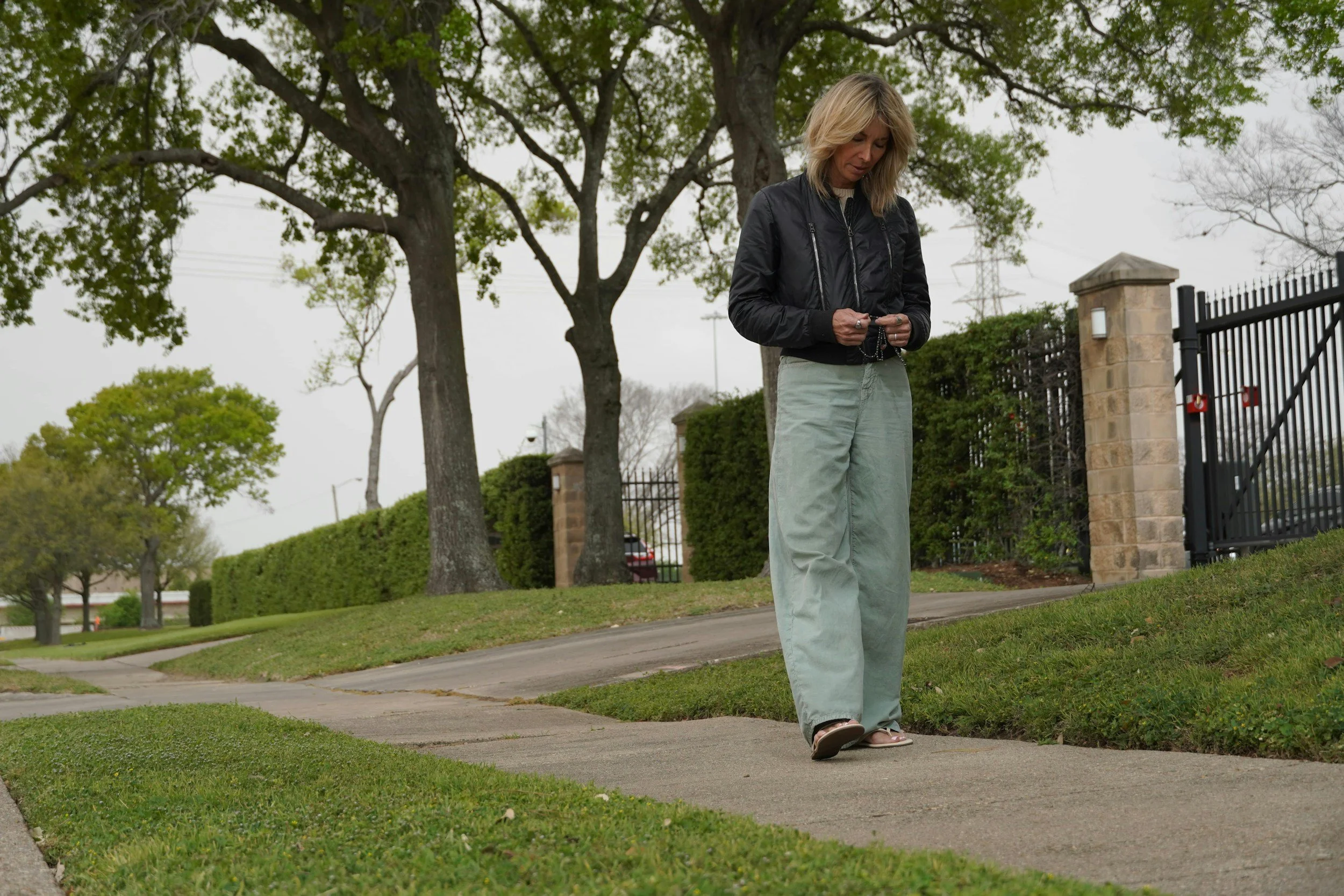
People are fixated on their screens while waking, sitting at red lights, waiting in line, out for dinner with friends, at the gym, during a yoga class, in meetings, waiting rooms, and even in a movie theatre or concert hall.
Do you remember what you scrolled this morning or yesterday? Probably not. Most of it is forgettable, and if you have ever said you do not have time for what matters, some of that time may be hiding in plain sight, tucked into the quiet hours of unconscious scrolling.
It is not just about lost time. It is also about the impact on your physical and mental health.
Heavy smartphone use is linked to anxiety, depression, loneliness and insomnia. Like other addictions, it disrupts sleep, reduces physical activity, interferes with daily life, and activates the brain reward systems. (2)
I hope this encourages you to become more aware of how you spend your time and to be more intentional with your devices.
These numbers feel so out of control to me, and it really hit me one night in early March. I was watching a movie with my husband Ben, working on my laptop, and scrolling on my phone, all at the same time. I kept missing the plot and had to keep asking him what was happening.
That was my moment.
The trifecta of absurdity.
How did I get here?
Until the end of last year, I had a part-time job that involved lots of emails and managing social media. I was constantly connected, and it was part of the role, but it began to take up more space than it needed to.
I set limits with email, but not with social media. Watching follower numbers grow gave me steady dopamine hits, and once I was on Instagram or Facebook, it was easy to lose hours.
When 2026 arrived, and that role ended, something became clear. I no longer had a real reason to check my phone so often, and yet I still was. Even our binge-watching had quietly shifted from occasional to daily.
How I spend my time is within my control, and it was time to make some changes.
Simple Ways to Take Back Control of Your Device Use

You do not need a complete digital detox. Small, intentional changes are more sustainable. Ease into this.
🌿 A Reality Check On Your Device Use.
You can set up your phone to track how much time you spend on emails, games, and social media. It is eye-opening. Be honest about what you are doing: texting, email, games, scrolling. For me, it is brain games on repeat and aimless scrolling on Instagram.
Look beyond your phone. How often is the TV on? How often do evenings turn into binge-watching marathons?
Awareness is the first step. You cannot change what you do not see.
🌿 Make Your Phone Less Rewarding & Be Less Accessible.
Since our phones are designed to keep us hooked, it becomes our responsibility to create some gentle boundaries.
• Turn off non-essential notifications.
• Remove app alerts from your phone.
• Log out after use.
These small changes make your device a little less demanding and give you back a sense of choice.
Unless you are a trauma surgeon or a midwife on call, very little requires an immediate response. Most messages, emails, and missed calls can wait. If something is truly urgent, it will find its way back to you.
🌿 Create Friction & Reduce the Temptation to Reach for Your Phone.
Make it harder to reach for your phone automatically.
• Keep it in another room during meals or when doing important work.
• Charge it outside your bedroom.
• Keep it in a bag instead of your pocket when you are out.
• Create no-phone zones in your home-bedroom, bathrooms, and dining table.
These will interrupt the habit loop.
🌿 Set Specific Times for Phone or Laptop Use
Instead of checking your device constantly, choose set times for email and social media, such as once in the morning and once in the afternoon. When you do go on social media, be intentional. Look for the accounts or posts you actually want to see, rather than drifting into endless scrolling. I follow one Instagram account with the sweetest videos of a man and his dog, and I make a point of checking for those instead of wandering.
You can also set a timer for 30 minutes in the morning and again in the afternoon. When the alarm goes off, put your phone away. This helps reduce the constant pull of your device.
🌿 Manage Your Binge-Watching
Do you remember when binge-watching began with DVD box sets? Since then, we can effortlessly watch an entire series in a few days. What once felt like a treat has slowly turned into hours, even days, of watching without pause. During the pandemic, this rhythm became part of daily life for many of us.
When we lived in Toronto, we had a Friday night ritual: binge-watch a few episodes of our favourite show and enjoy our favourite take-out and wine. Over time, that gentle ritual stretched into something more frequent and less intentional.
Lately, we have been returning to a softer structure, choosing specific days to watch instead of letting it fill every evening.
A simple place to begin is to pause before turning on the TV. It is often an automatic reflex to turn it on the moment you are near your TV. Let it be a choice, not a habit.
🌿 Protect Your Mornings & Evenings

Mornings and evenings are transition points. They are sacred and should be quiet, calm, and intentional.
👉 The morning is your chance to set the tone for your day before the world rushes in.
Ease into your day by slowly waking up your nervous system. Begin your day without your phone, laptop or TV. Aim for 30-60 minutes being device-free. Instead, sit quietly for a few breaths, enjoy your morning coffee in silence, meditate, read, journal, or maybe take a leisurely walk.
👉 The evening is your chance to unwind, reflect and restore.
Create a simple evening ritual. Brush your teeth, wash your face, set out your clothes for tomorrow an hour before you want to be asleep.
Disconnect from all of your devices 30-60 minutes before you plan to fall asleep. Reflect on the things you’re grateful for. Write, journal or read.
These simple shifts matter because they make room for a pause, rather than beginning the day with scrolling and ending it half asleep in front of the TV.
Without space, there is very little awareness. Mornings and evenings are important anchors that bring you back to yourself.
🌿 Make Friends with Boredom.
Boredom is not empty or nothing. It is a space where amazing things can happen. When the mind is under-stimulated, it begins to wander. That is where creativity, insight, and problem-solving begin. We cannot access these quiet threads of thought when we are constantly distracted.
Leave your phone in your pocket or bag while standing in line. Sit in a waiting room and observe, instead of scrolling.
If you feel uncomfortable or anxious during these moments of boredom, it’s a clear indication that your nervous system needs to learn to be ok with it.
Some of my clearest thinking happens when I am walking in nature. When you feel overwhelmed, turning to your phone or binge-watching may provide a distraction, but it won’t help you make sense of what is going on. If anything, it adds to the noise and makes it harder to hear what you truly need.

I used to think I didn’t have time, and of course, some days or weeks are more jam-packed than others.
But the truth is, I was giving it away in small, invisible moments. A scroll here. A check there. Not because I needed to, but because I had trained myself to reach for it. Our phones are designed to keep us engaged. Every notification, every scroll, every small hit of new information offers a reward. It is no wonder we keep going back.
The good news is, we can train ourselves to break the habit.
After doing the research for this blog, I felt more curious than ashamed of how I had been spending my time. Since the beginning of March, I have been working on this, and let’s say, it’s been an adjustment.
I’ve made some changes. I’ve turned off most notifications, and only have phone calls and text notifications turned on twice a day. I’ve removed all app alerts and started leaving my phone in another room when I don’t need it. Phones are not allowed in our bedroom.
I also started to pay attention when I reached for my phone. It is not always because I needed something, but was often because I was feeling anxious, bored, or simply out of habit.
I am experimenting with some structure by checking emails at set times. Keeping my mornings and evenings as phone-free as possible. Not perfectly, but intentionally and with just a few small adjustments, I’m sleeping better, reading more, and feeling calmer and more focused.
The last show I watched with Ben, I didn’t have to ask him to explain what was happening. I was actually there for it. A small miracle for me, and a big one for Ben.
This is not about perfection. It is about paying attention. Noticing how easily our lives can slip away in moments we barely register.
With that awareness, something begins to shift. You may find yourself feeling less busy, less overwhelmed, and with more space for what truly matters. In that space, something else becomes possible. The things you’ve been quietly putting off no longer feel out of reach. You have time to work on your dreams:
Time to take guitar lessons.
Time to paint the picture.
Time to join a choir.
Time to write the book.
Your life is happening now, in this moment, not on your screen.
I would love to hear about your experience with your devices. Drop a comment below.
Stay well.
Anita 🌿🌼 🌷 🦋
Resources
DISCLAIMER: County Yoga Loft’s website blog information is for general health care information only. All information on the site is provided in good faith. However, it should not replace consultation or advice from a physician or other healthcare practitioners. The use or reliance of any information on this site is solely at your own risk.