
🌈 As Pride Month Comes to a Close, Let’s Remember Why It Still Matters. 🏳️🌈
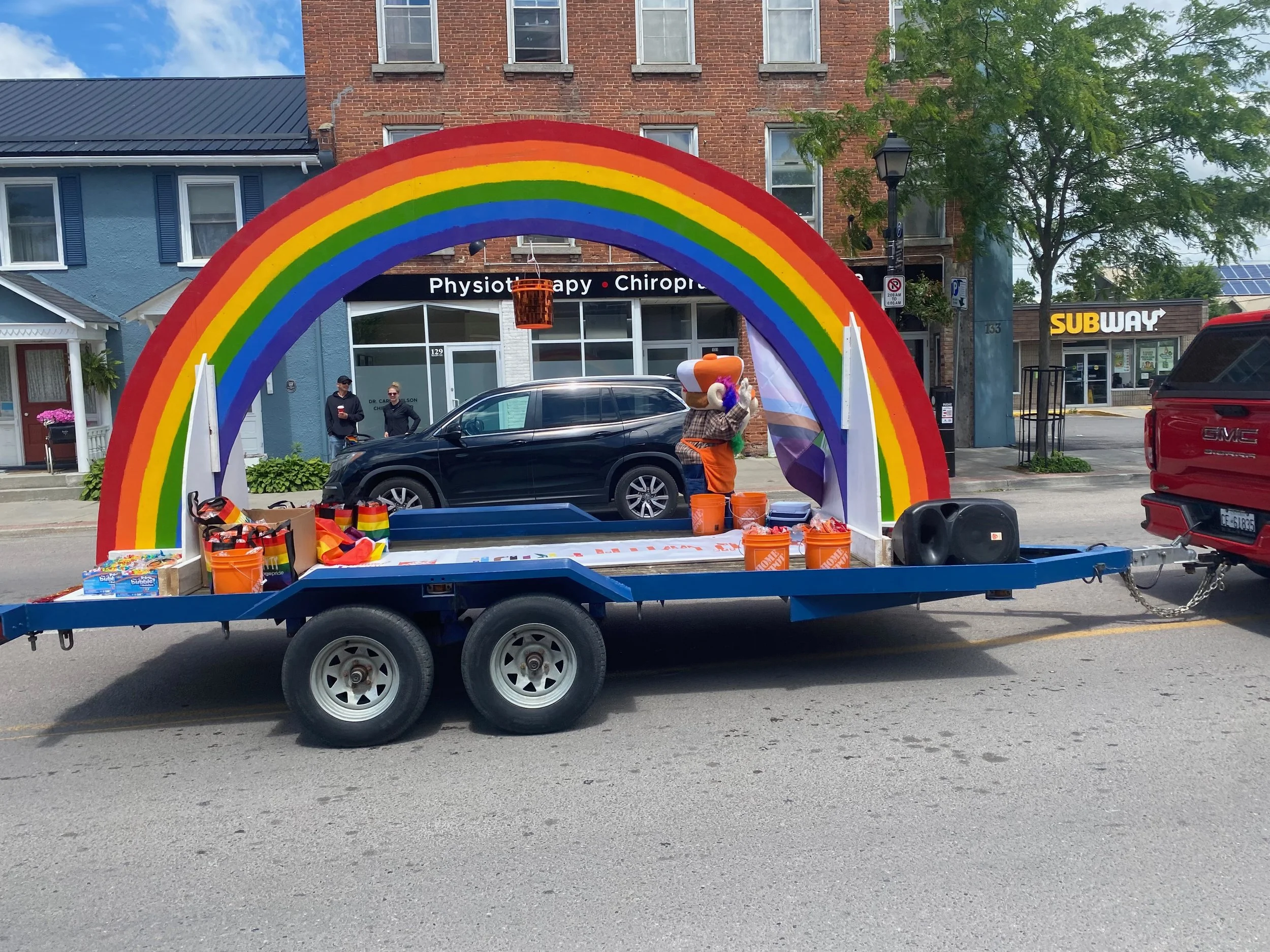
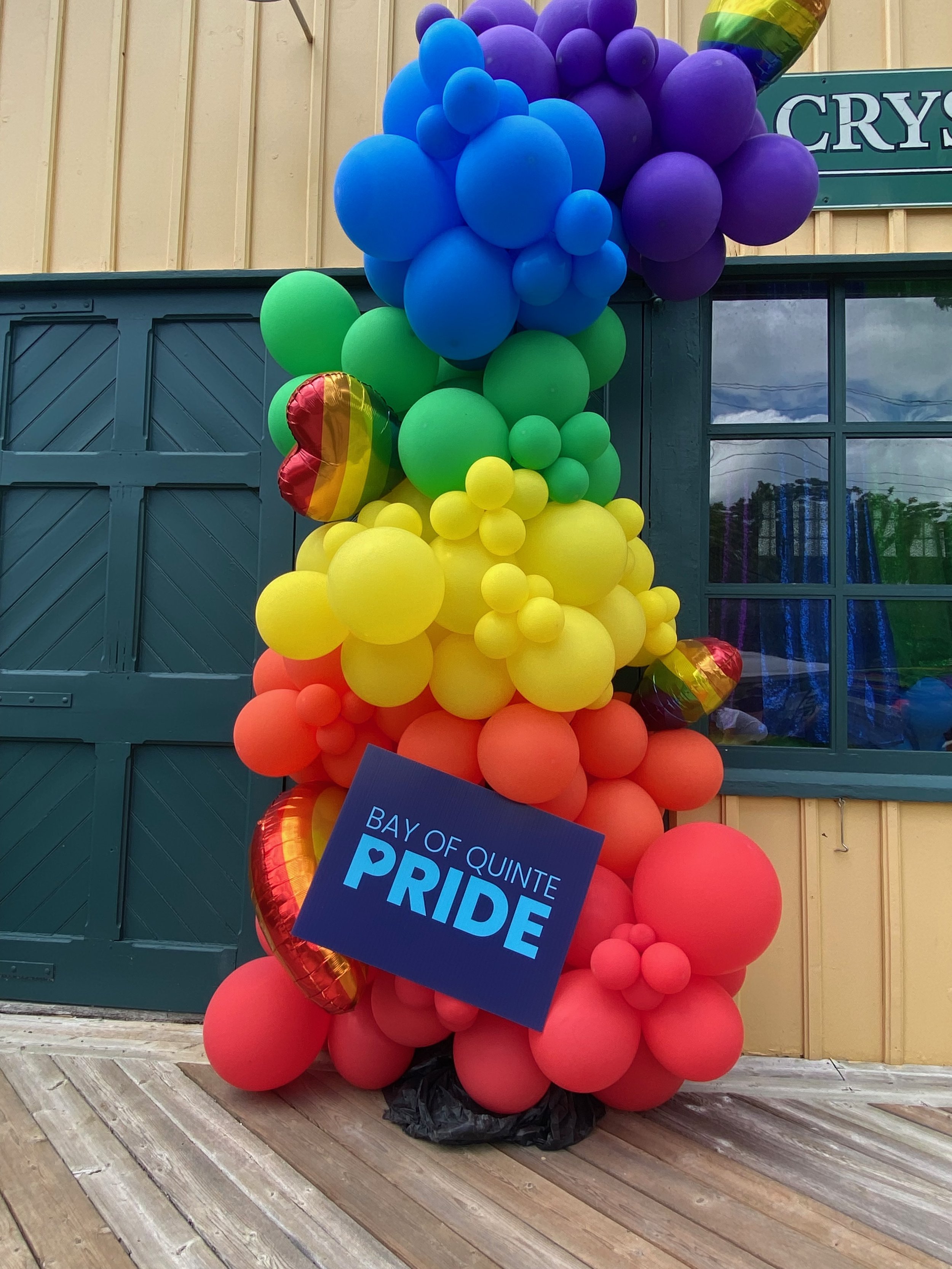
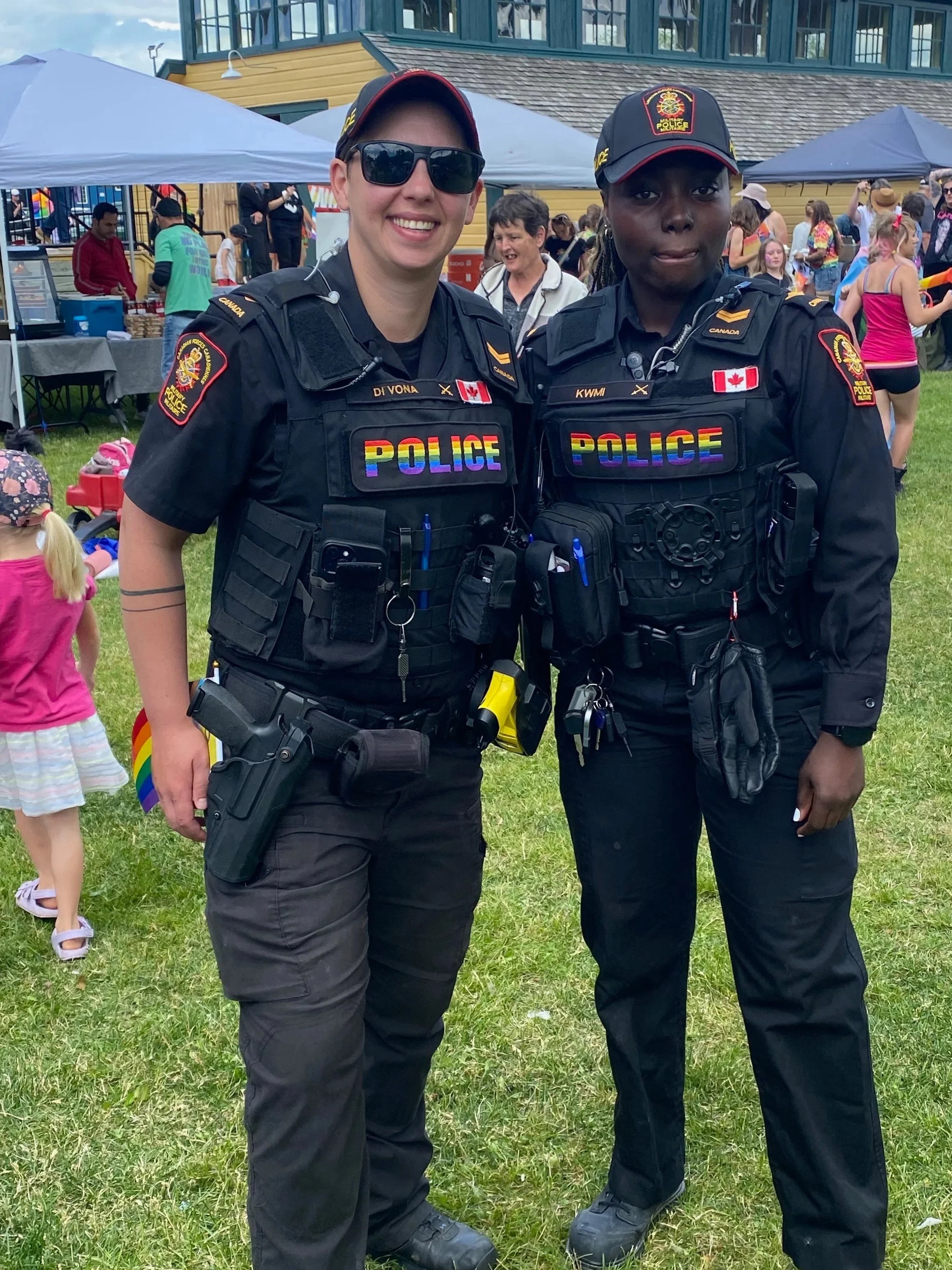
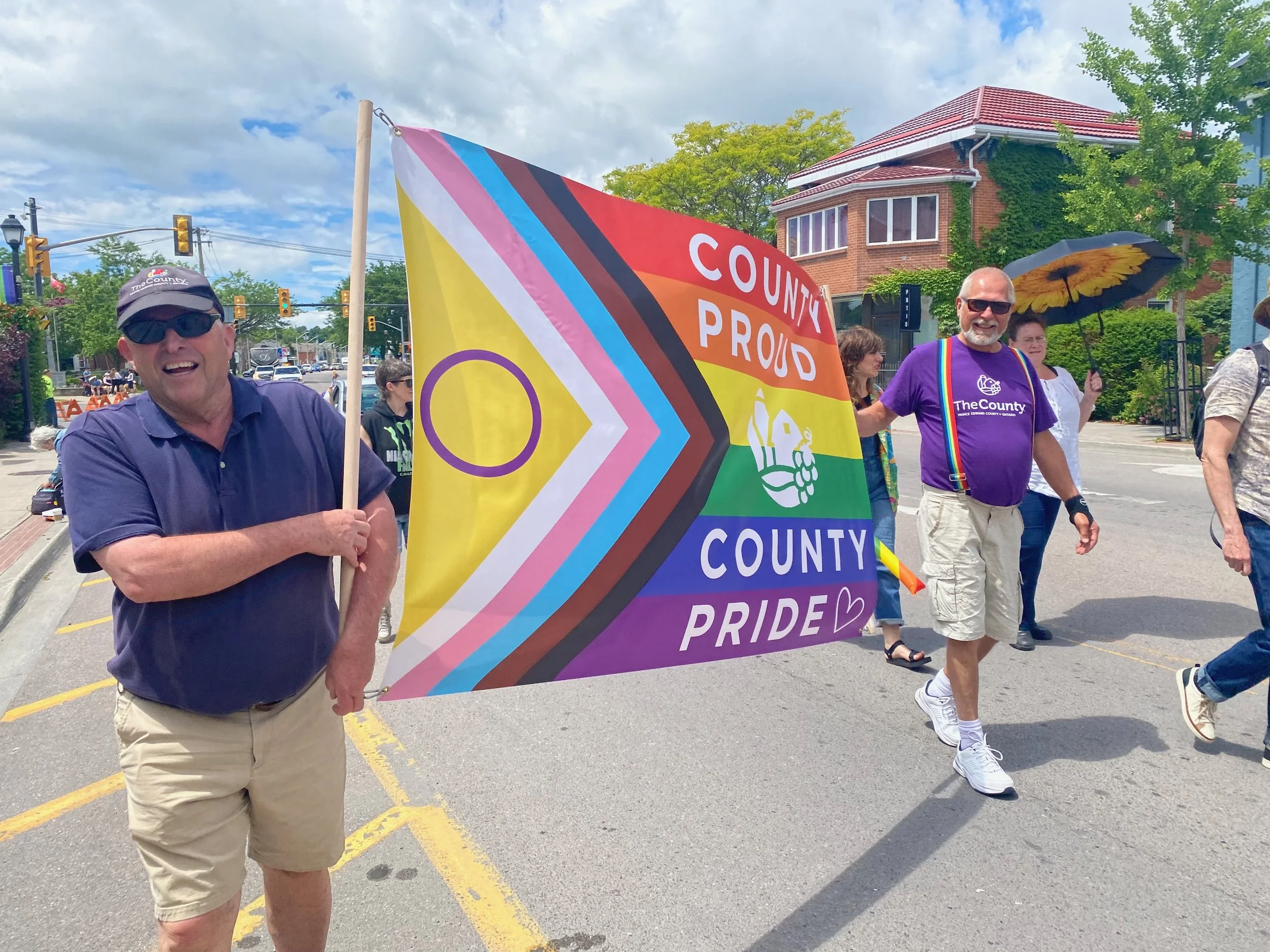
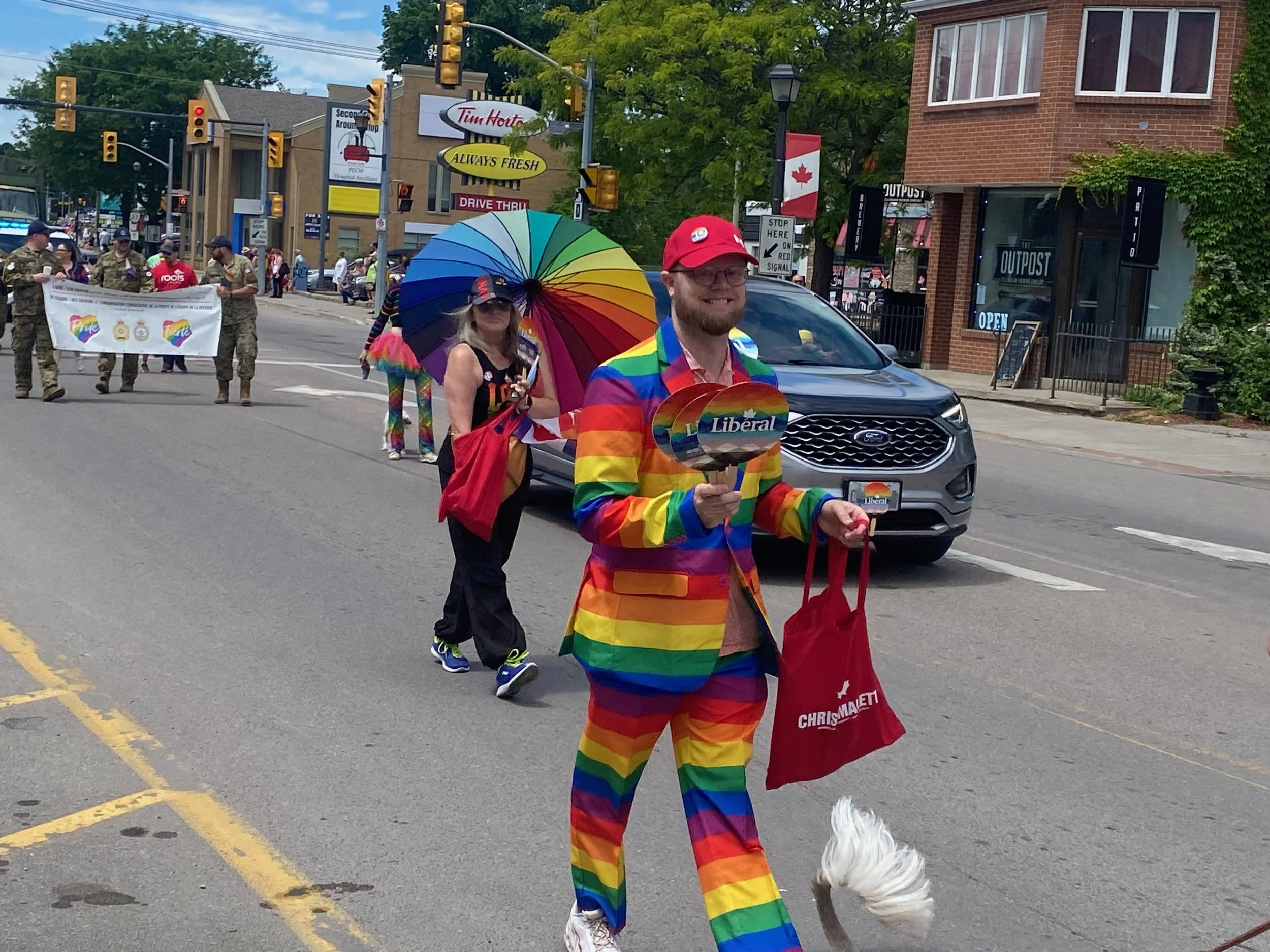
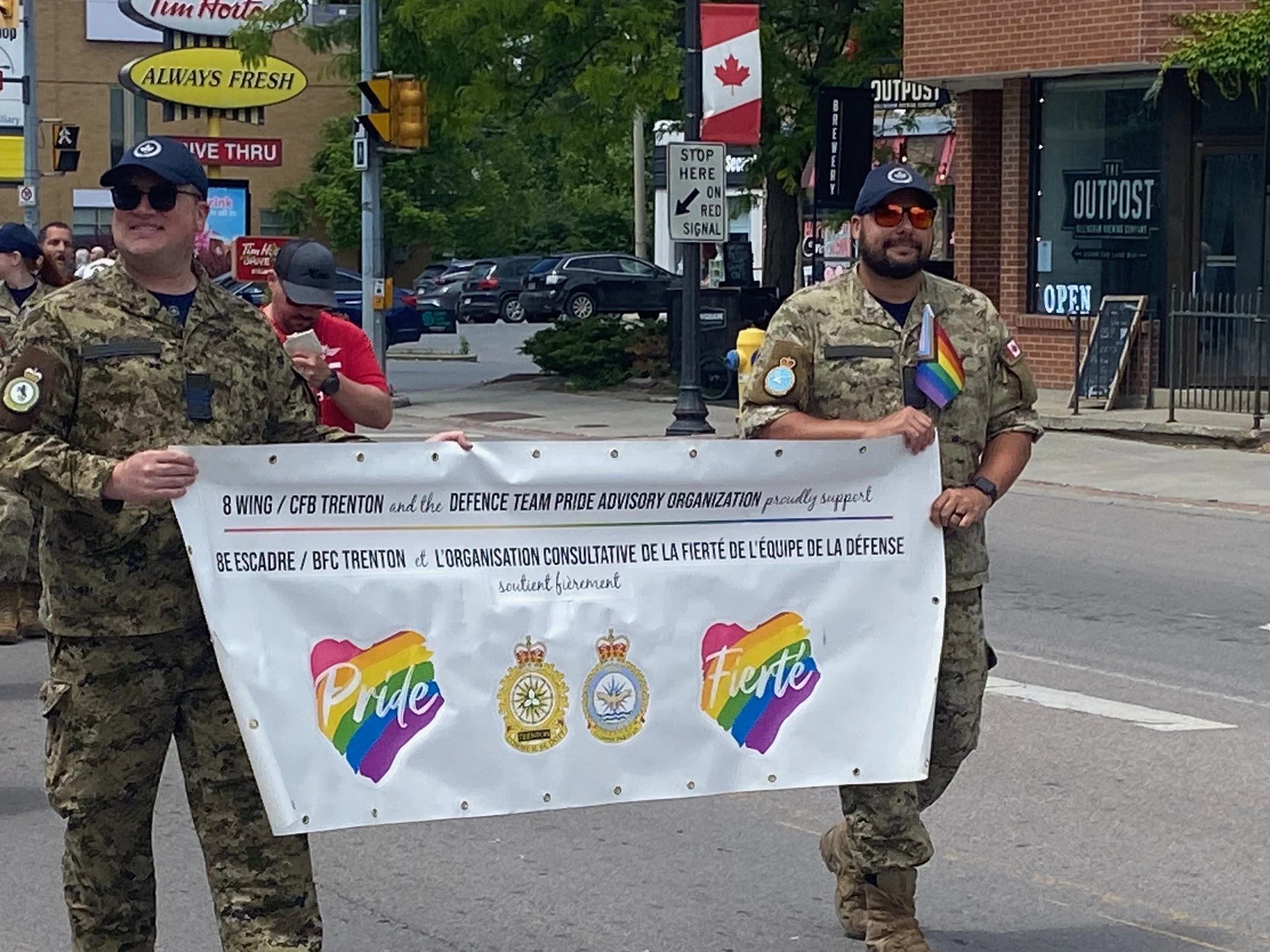

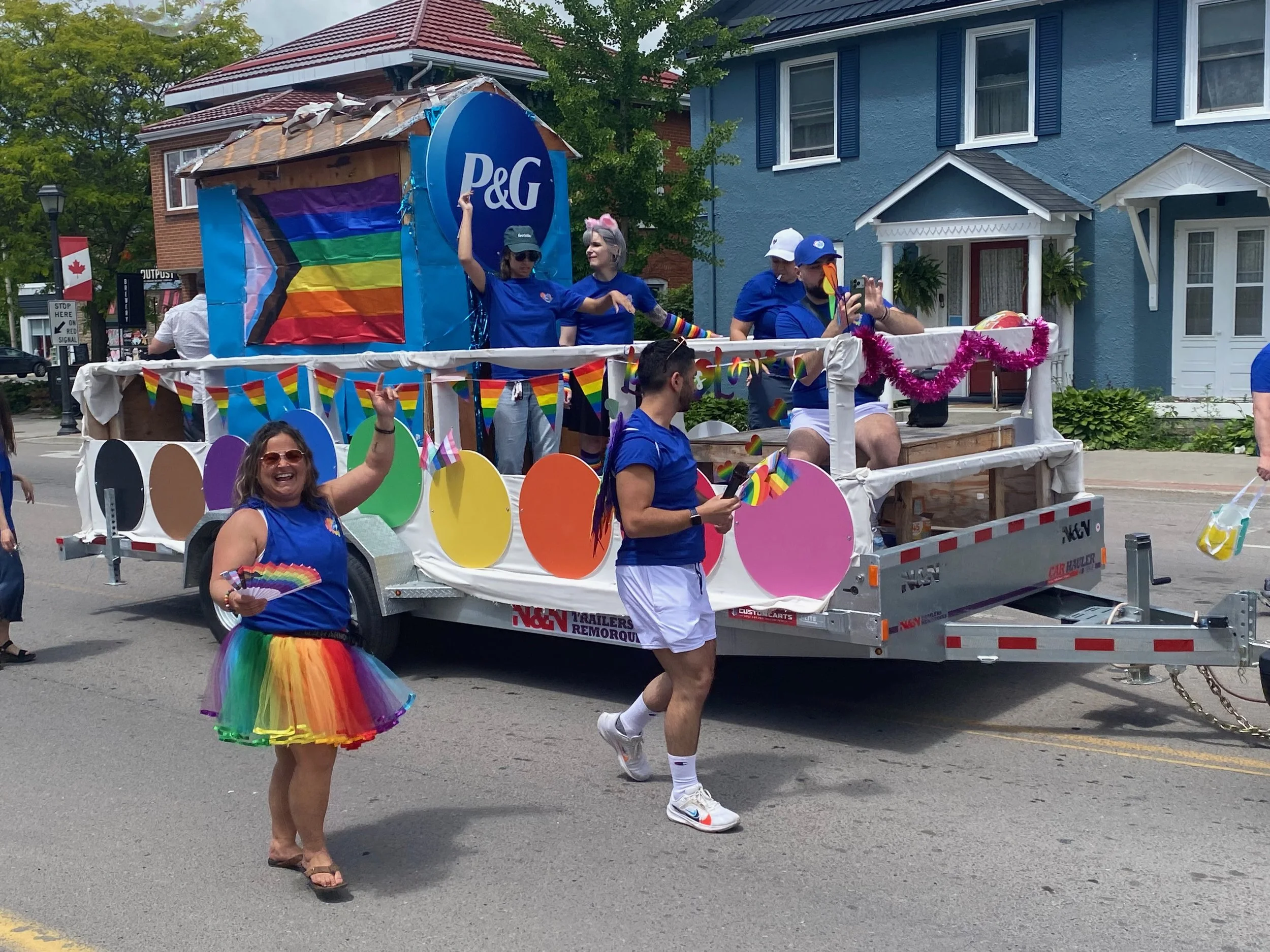
PRIDE Parade in Picton, Ontario. June 20th, 2026.
Hello & Happy PRIDE! 🏳️🌈
PRIDE Month, June 2026, is wrapping up in a few days, and today, June 28th, some of the largest PRIDE parades are taking place in New York City, Toronto, Chicago, and San Francisco. Cities across Europe, South America, Scandinavia, Asia, and Oceania have also held huge events in the last week. London, (UK) PRIDE parade is scheduled for July 4th.
It was 57 years ago today, on June 28th, 1969, that The Stonewall Uprising began in New York City. It became a pivotal moment in history when members of the LGBTQIA+ community said, “Enough,” fought back against police harassment, and helped ignite the modern Queer rights movement.
I’m a cisgender straight woman who has supported PRIDE since the 1980s, and I will continue to do so for the rest of my life. Last Saturday, we attended the PRIDE parade in our small town of Picton, and it was full of love, joy, and celebration.
Leading up to PRIDE events, I felt heartbroken and angered by some of the nasty, homophobic, and hateful comments I’ve seen on Facebook in response to posts with pictures of rainbow flags, rainbow crosswalks, and information about upcoming community events:
“I’m sick and tired of this being shoved down my throat.”
“I feel excluded because heterosexuals are not included in the rainbow flag.”
“This is ridiculous. We don’t give veterans a whole month, and they fought for our country.”
“June is men’s mental health month. How come they aren’t getting any attention?”
“Just live your life and stop advertising who you sleep with.”
“Pride is all about grooming.”
These outrageous and ignorant comments are clear evidence of why PRIDE is still so important and still so needed.
PRIDE has never excluded anyone, and it has never taken anything away from veterans, men’s mental health, families, children, faith, or community. Since when does supporting one group mean we are less supportive of another?
PRIDE exists because LGBTQIA+ people have been excluded, criminalized, bullied, shamed, rejected, attacked, and murdered. In many parts of the world, the LGBTQIA+ community is still denied basic human rights, dignity, and safety.
I have never had to fear rejection, discrimination, violence, or public hostility because of who I love. That is a privilege I don’t take lightly.
I do know what it feels like to experience sexism, misogyny, harassment, and being dismissed because I’m a woman. But I also know that my experiences do not erase or equal the particular harms that the LGBTQIA+ community have faced and continues to face.
I have never had to worry about being out in public with my husband and wonder whether holding his hand would make us unsafe. I have never had to hide who I love or wonder whether I belong.
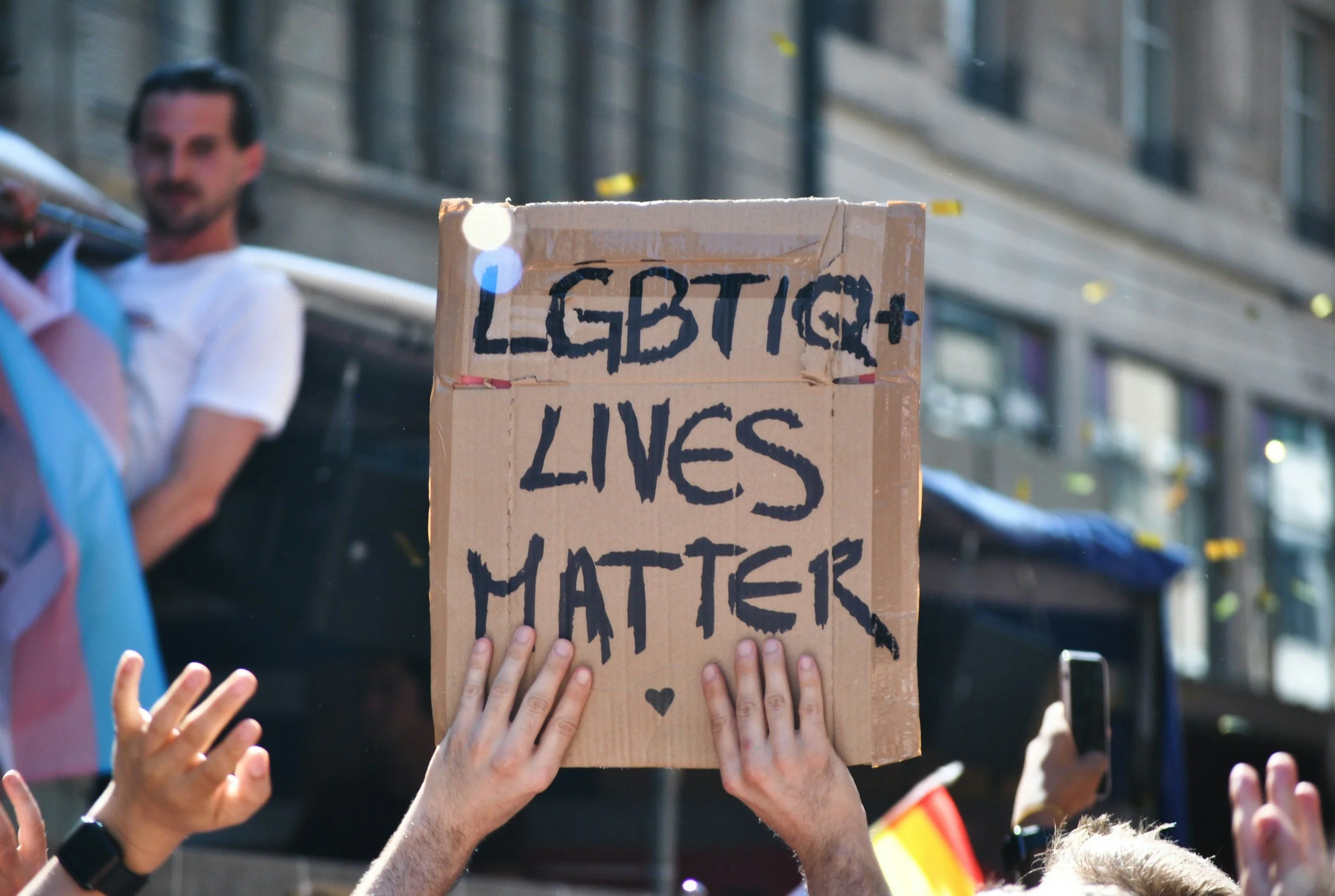
2026 World Pride Themes
“For All of Us.”
"Resistance in Action."
"Many Voices. One Front."
"Exist. Resist. Have the Audacity!"
"We Won't Stop."
“Haltung ist hot” ("Taking a Stand Is Hot").
PRIDE is about belonging, dignity, and being proud of who you are. It is about remembering those who fought before, supporting those who are still fighting, and making sure younger generations know they are loved, valued, and not alone.
When I saw the PRIDE flags and the crosswalks painted in rainbows over the last few weeks, I thought about how meaningful those signs of support would be for a young person struggling with their identity and wondering if it is safe to come out. Seeing those symbols might help them feel less alone, believe they are allowed to be who they truly are, and feel they belong.
If the sight of a rainbow flag or crosswalk makes someone feel angry or threatened, then that is exactly why they need to be seen.
A flag and a crosswalk are not a threat, and they do not have an agenda. A PRIDE celebration is not asking anyone else to change who they are. It is asking people to allow the LGBTQIA+ community to be safe and comfortable showing who they are.
For decades, and still today, LGBTQIA+ people have been told to hide, be quiet, feel ashamed, or live in fear. The community is incredibly resilient and has consistently knocked down walls of discrimination through activism, demonstrations, community engagement, music, art, and politics.
While discrimination and violence against LGBTQIA+ people continue in many parts of the world, there has also been meaningful progress. In recent decades, more countries have decriminalized homosexuality, recognized same-sex relationships and marriage, expanded family rights, and introduced legal protections. These changes show that progress is possible, even as the fight for safety, equality, and dignity continues.
The above-mentioned legal achievements are fantastic, but did you know that more than 65 countries still criminalize LGBTQIA+ people, some with the death penalty? Source: This is changing, but far too slowly, and the most recent countries to have repealed their anti-gay laws are Dominica, Mauritius, the Cook Islands, Singapore, Antigua, Barbuda, Saint Kitts, Nevis, Barbados, Bhutan, and Gabon.
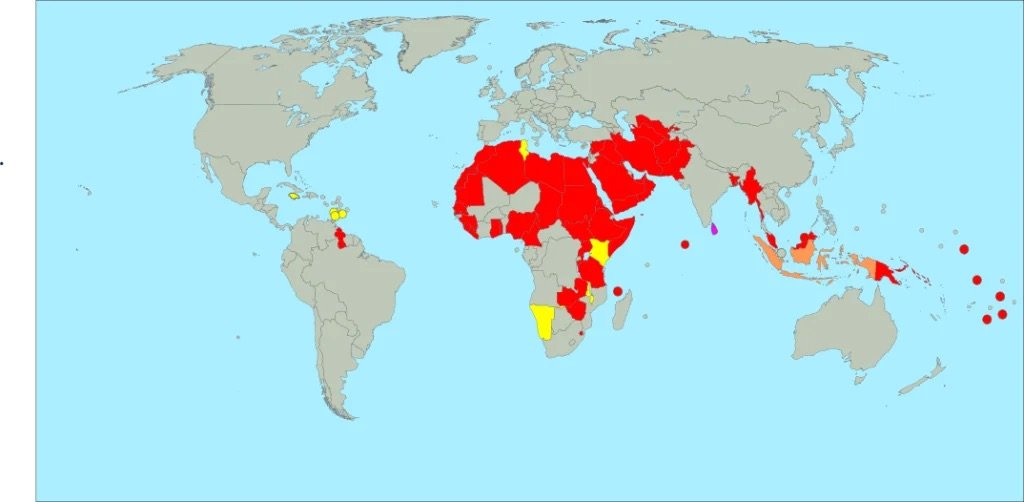
This map shows countries where sexual relations between people of the same sex are illegal, and the areas in red have no known legislative efforts or court challenges to remove them. Source
At the same time, recent years have brought a troubling rise in targeted backlash, hateful rhetoric, and hate crimes against the LGBTQIA+ community, particularly against trans people, especially trans youth.
So much has been accomplished, and so much still needs to be done. The cruelty, misinformation and hate are still there.
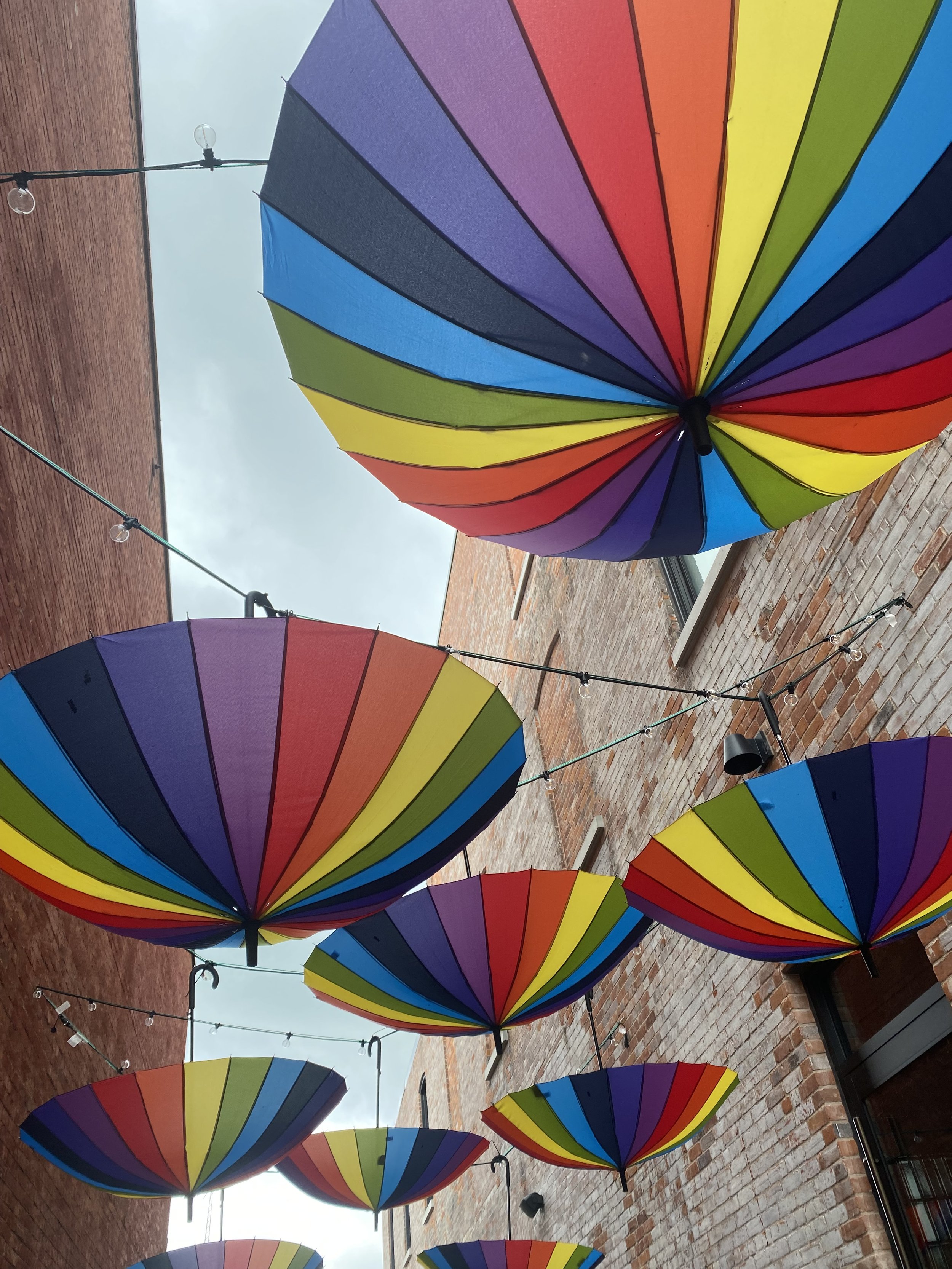
Rainbow Umbrellas, Picton, Ontario.
When people say, “Why do we still need Pride?” my answer is: look at the anger that appears when a rainbow flag is raised. Look at how quickly some people become furious when LGBTQIA+ people are simply visible.
I support freedom of speech and opinion, but I will never understand why some people feel so threatened by another person’s freedom to live honestly and openly.
I’ll admit that I find it challenging to feel compassion at times. But at the very least, I can say that I feel pity for people who carry this kind of hate. It cannot feel good to live with a closed heart, unable to accept the dignity, humanity, and joy of others. What a miserable existence. Hateful comments and actions do not make PRIDE less necessary; they make it more necessary.
PRIDE is not about special treatment. It is about equal treatment.
I will keep writing about PRIDE. I will keep supporting and celebrating PRIDE. I will continue to be an ally.
Educate yourself about LGBTQIA+ history and current issues to better understand and support the community. Celebrate, be with others who support PRIDE, and get involved. If attending PRIDE events is not your thing, then take some time to pause and reflect on how you can be a model of inclusion in your life, committing to listening, understanding, and learning. Always speak up when you see or hear homophobic comments. Outside the month’s focus, commit to being a positive voice for equity and justice and remain hopeful.
PRIDE permits all of us to be authentic and genuine. We all need to belong and feel accepted, and no one should be told who and how to love.
Let me know in the comments below if you attended any PRIDE events.
Happy PRIDE & Stay Well!
Anita 🌈♥️🏳️🌈🙏
Resources: