🌻 Momentum, Not Motivation, Is How We Get Things Done. 🌻

Hello!
I always feel the most productive this time of year, and it often inspires me to rethink how I can get things done and stay consistent. I have written before about James Clear's book Atomic Habits, and lately I have been exploring thought-provoking research on habits, motivation, and momentum. What I have learned has changed the way I think about accomplishing what matters to me.
For me, getting to the gym consistently is my number one priority for my physical and mental well-being. That’s why you’ll find plenty of gym examples throughout this post because it’s where I regularly put these ideas into practice.
Whatever habits you’re working on, you might recognize some of these challenges:
· How do you remain consistent with the habits that support your health and well-being, even when you do not feel like doing them?
· What helps you stay on track, and what tends to derail you?
· Are you consistently inconsistent?
We often assume the answer is motivation. But motivation comes and goes. What carries us forward is MOMENTUM.
As resilience expert Jenny Evans puts it:
“Motivation is a Feeling. Momentum is a Strategy.”
🌻 Motivation Comes & Goes

.
Motivation is the emotional impulse that makes us want to begin. The trouble is that it often depends on how we feel. Our mood, energy, sleep and stress levels can change from one day to the next, and sometimes moment to moment.
How many times have you told yourself, I’ll start when I feel like it?
I’ll exercise when I have more energy. I’ll start writing when I feel inspired. I’ll return to my yoga mat when life settles down. I’ll organize my paperwork when I’m not so busy.
When we rely on motivation, later can become tomorrow, next week or someday. We are all familiar with how someday can turn into no day. Momentum offers another way forward. We do not have to feel inspired or ready. Feeling ready may never happen. We simply must begin.
🌻 Start Small & Be Specific
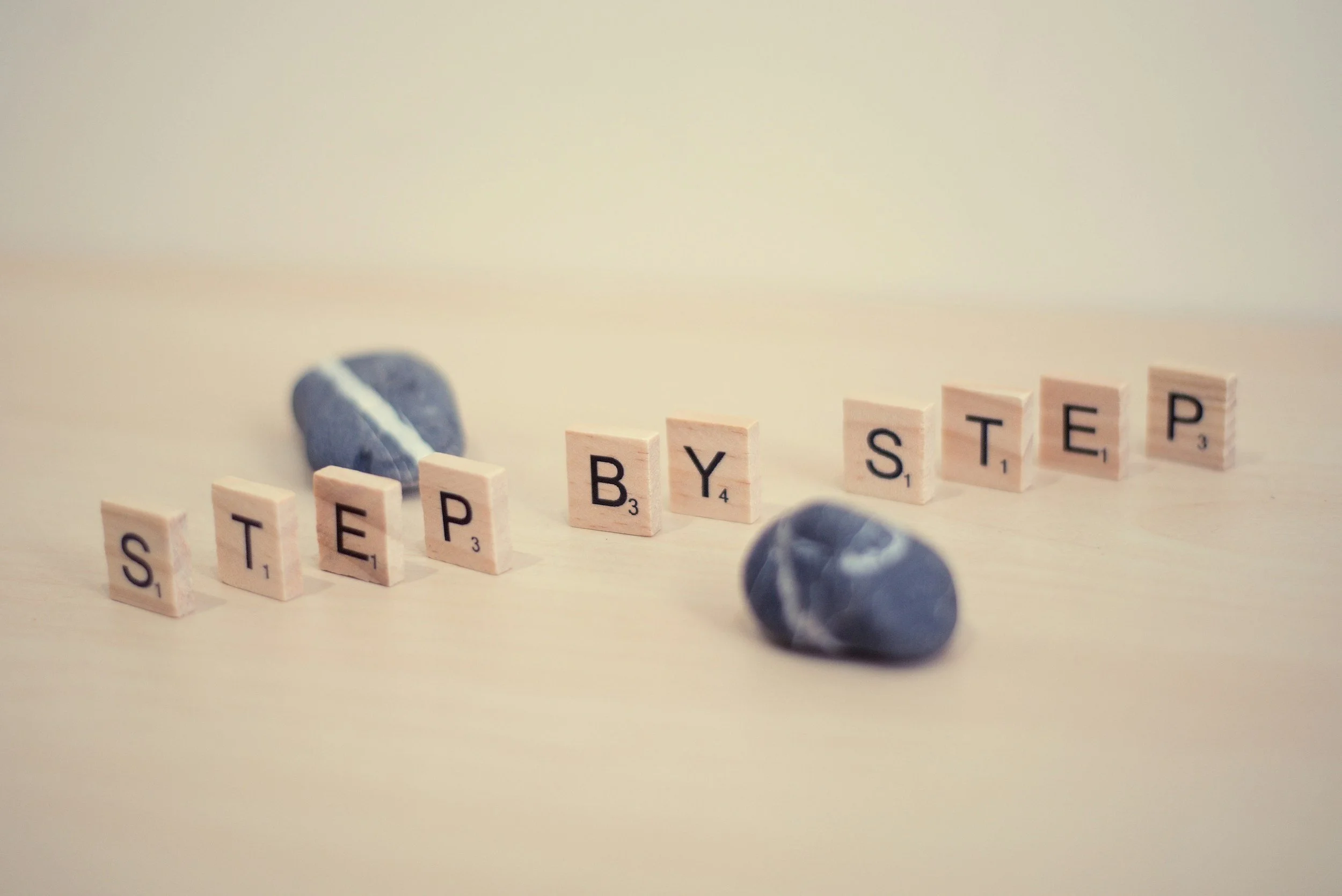
Fear and perfectionism can make a goal feel so overwhelming that we do nothing instead of taking a small step. When that happens, lower the bar and choose one small, manageable action. Momentum often begins with something very small and clarity about what you want to do. You need a tiny spark to get things going. Take a ten-minute walk. Write one paragraph. Clear one shelf at a time instead of tackling the entire room.
I have noticed that once I begin, my energy often shifts. The hardest part is usually not doing the thing. It is starting. Once I open my computer and start writing, the ten-minute intention easily becomes an hour, or more.
In Atomic Habits, James Clear explains that lasting change is less about finding enormous reserves of motivation and more about creating systems that make the behaviours we want easier to repeat. His Two-Minute Rule encourages us to scale an activity down to a simple first step that takes about two minutes.
Reading every night might begin with one page. A yoga practice might begin with one pose. Writing might begin with one sentence. You can stop there, but often, once you start, you will want to keep going.
Research by psychologists Edwin Locke and Gary Latham also found that clear, specific goals are more effective than vague intentions. Instead of deciding to exercise more, choose a specific action, such as walking for ten minutes after lunch.
🌻 Make It Easier To Follow Through
James Clear calls one helpful strategy reducing friction—removing obstacles before they can derail you. For me, that means having my gym bag packed and waiting by the door and the coffee maker set to brew just before my alarm goes off. Without these small preparations, I can easily talk myself out of going. This somewhat ridiculous system gets me out the door. Sometimes you have to trick your brain by giving it fewer opportunities to make excuses.
Reducing friction also means removing distractions, and one of our biggest distractions is our phones. When notifications are turned on and your phone is within reach, it can be almost impossible to resist checking it again and again. Instead of spending hours consuming someone else’s content, create your own. Turn off notifications, switch your phone to airplane mode, or, better yet, leave it in another room when you have something important to accomplish.
A few small changes can make it easier to follow through on what you want to do:
Want to start walking regularly? Set out your workout clothes and shoes beforehand.
Want to eat healthier? Wash and chop fruit and vegetables so they’re ready when you’re hungry.
Want to practice guitar? Keep the guitar somewhere visible and easy to reach.
The idea is to prepare your surroundings so the action you want to take requires less effort.
Research by psychologist Peter Gollwitzer found that we are more likely to follow through when we decide in advance when and where we will act. Instead of saying, I want to write more, we might decide, After breakfast, I will write for ten minutes.
A specific plan reduces the need to make another decision and gives the habit a natural place in our day.
🌻 Let Progress Motivate You

We often assume that motivation must come first:
Motivation → Action
Sometimes it works the other way:
Action → Progress → Momentum → Motivation
This is what happens when I’m cycling up a steep hill. Sometimes I need to stop and catch my breath. But when it’s time to get moving again, waiting to feel motivated won’t get me up the hill. I have to start pedalling. Those first few pedal strokes take effort, but they get me moving. Then I find my rhythm and keep going. The same is often true in everyday life: taking action, even one small step, can help us build the momentum to move forward.
Researchers Teresa Amabile and Steven Kramer found that even small signs of progress in meaningful work can improve our mood and strengthen our motivation to continue. They call this the progress principle.
A large review by Benjamin Harkin and his colleagues also found that people were more likely to reach their goals when they regularly monitored their progress, especially when they recorded it.
Crossing something off a list, marking a workout on a calendar or recording the number of pages you have written makes progress visible. Those small wins of completion and consistency are like jet fuel and remind us that we are moving forward.
🌻 Different Brains Need Different Strategies

These strategies may not work the same way for everyone. People with ADHD or other forms of neurodivergence may experience challenges with executive functioning, including getting started, organizing tasks, estimating time and shifting attention. In those cases, building momentum may require different or additional supports, such as visual reminders, timers, body doubling, external accountability or professional guidance. The goal is not to try harder, but to find strategies that work with your brain.
Sources: CDC: ADHD in Adults and NICE: ADHD Diagnosis and Management
🌻 Something Is Better Than Nothing
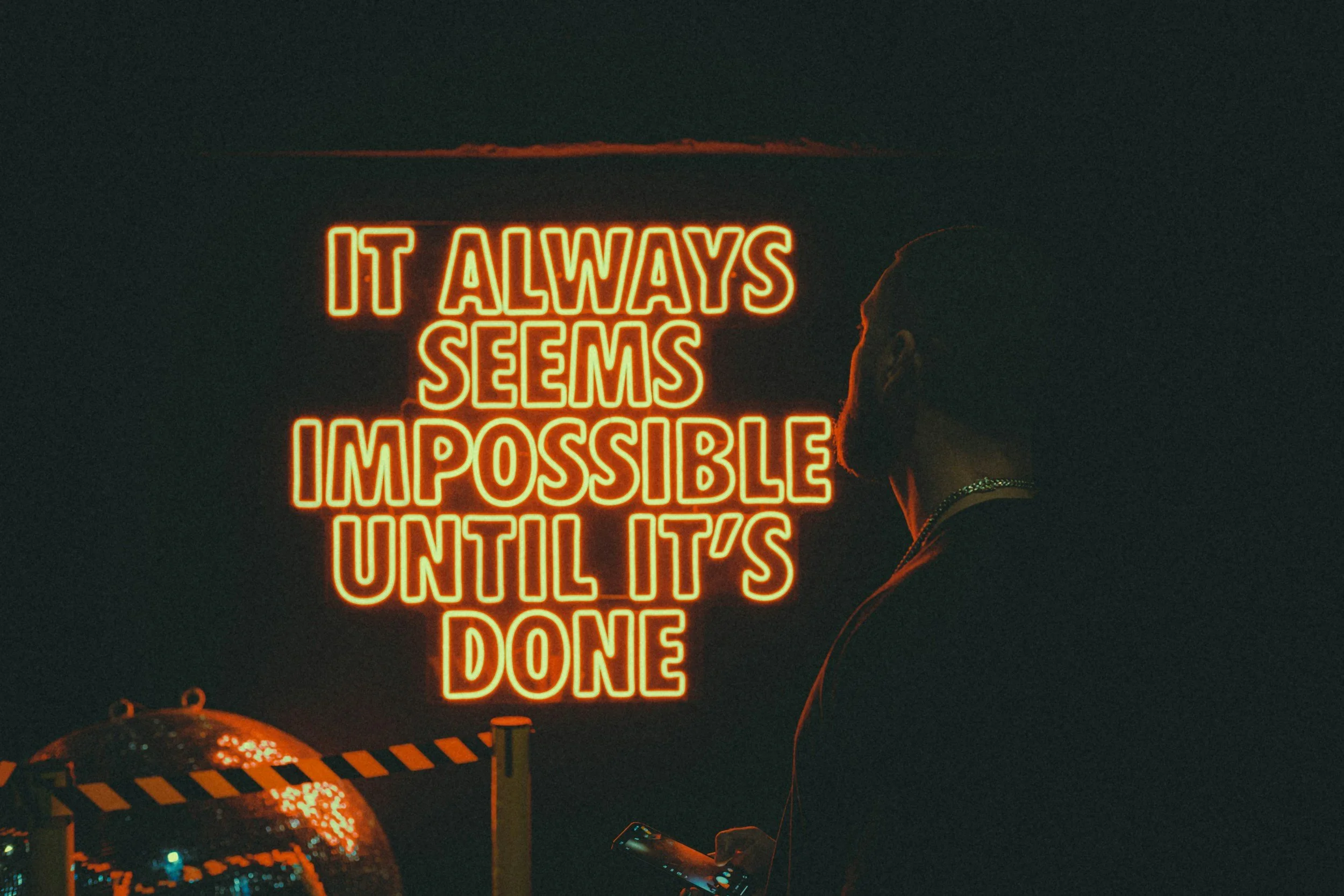
All-or-nothing thinking can make us believe that if we cannot do something fully, there is no point in doing it at all. But a shorter or simpler version still counts.
Five minutes. One page. One drawer. One walk around the block. One yoga pose.
Consistency does not require perfection, either. We will inevitably miss a day now and then. James Clear calls the practice of returning to a habit before one missed day becomes a pattern “never miss twice.” Missing one day doesn't mean we have failed, but the longer we wait to start again, the easier it is for days to turn into weeks or even months.
I’m an expert at all-or-nothing thinking, but I’m working to change that. In the past, I’ve let weeks go by without going to the gym because I couldn’t fit in my usual three hours. On my last visit, I had less than an hour. Normally, I would have happily told myself, “I don’t have enough time, so I’m not going today.” Instead, I went for 45 minutes and felt good about making the most of the time I had.
Something really is better than nothing. One small step can make the next one easier. That is the quiet power of momentum.
🌻 Talk Yourself Into It

Decisions often happen within seconds. Notice the excuse as soon as it appears and respond before it gathers momentum.
If you can talk yourself out of something, you can also talk yourself into it. Don’t give “I don’t feel like it” the power to decide. I never feel like going to the gym. EVER. But I’ve learned to talk myself into going instead of talking myself out of it. Otherwise, I’ll let one skipped workout turn into days or even weeks.
Going regularly does so much for my physical and mental well-being. I know that missing workouts can become a habit, and I know the benefits of showing up, even when I’d rather stay home. So I get myself there and start moving.
If the benefits of going to the gym and “I don’t feel like it” faced off in court, the benefits would win hands down, and the “I don’t feel like it” side would be held in contempt for repeatedly interrupting the proceedings.
We do not have to feel ready, inspired, or in the mood to begin. Often, readiness comes after we start. We may begin reluctantly, promising ourselves just ten minutes, and discover that continuing is much easier than starting. We might never feel like it, but taking action anyway can be our superpower for getting things done.
This doesn't mean ignoring exhaustion, illness, or a genuine need for rest, but learning to recognize when you need to recover and when you simply don’t feel like doing something.
Whatever strategies work for you, making time for what matters is one way to prioritize yourself. Each time you follow through, you strengthen your self-trust, build confidence, and develop consistency and resilience.
What helps you take that first small step when you don’t feel motivated? I would love to hear your thoughts in the comments.
Stay well!
Anita
🌸🙏🌺🌻
DISCLAIMER: County Yoga Loft’s website blog information is for general health information only. All information on the site is provided in good faith. However, it should not replace consultation or advice from a physician or other healthcare practitioners. The use or reliance of any information on this site is solely at your own risk.